
Mould on a bathroom ceiling is almost always caused by steam that isn't being removed fast enough, usually because the extractor fan is too weak, badly ducted, or not running long enough after a shower. But if the mould sits in one patch, comes with brown staining, or the ceiling feels soft, it can point to a leak from above, a cold spot from missing loft insulation, or a roof problem. Cleaning it off only helps until the next shower; fixing it means finding which of these is happening.
We look at bathroom mould every week in homes across Eastbourne, Hastings, St Leonards, Bexhill, Hailsham, Polegate, Seaford, Lewes, Brighton, Battle, Rye and Tunbridge Wells. Here's how to work out what's going on in yours.
Why does mould grow on bathroom ceilings in particular?
Warm, wet air rises. A ten-minute shower puts a lot of moisture into a small room, and it collects on the coldest surface it meets. In most bathrooms that's the ceiling, especially the corners and the strip along the outside wall. If the ceiling stays damp for hours each day, mould spores settle and grow, and black spots appear within weeks.
Bathrooms under a loft are the worst affected, because the ceiling is often colder than the walls, particularly where loft insulation has been pushed aside, is missing over the bathroom, or has been squashed by boarding.
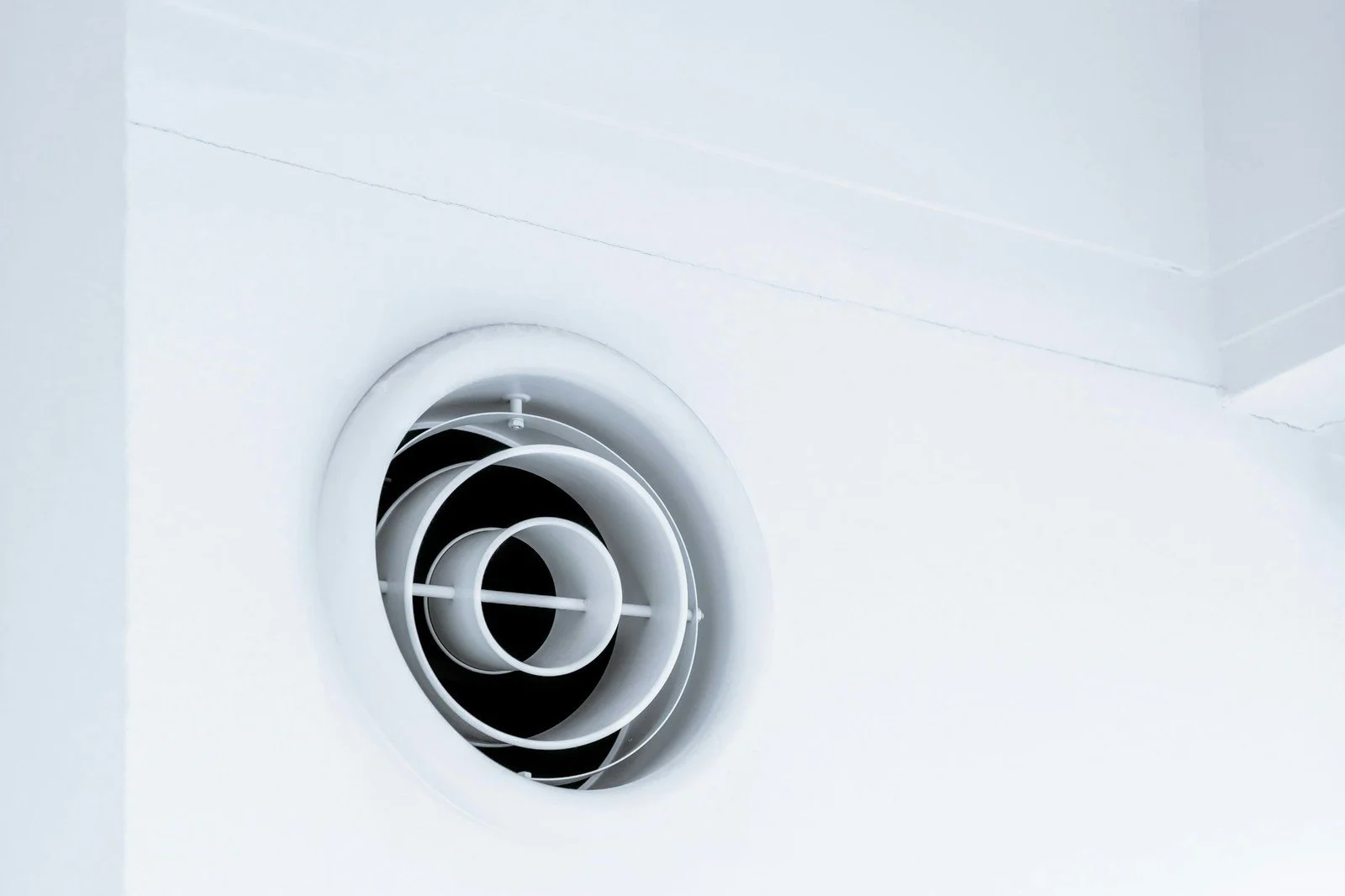
How do I know if my extractor fan is good enough?
Plenty of bathroom fans are fitted but don't do much. Signs yours isn't coping:
The mirror and ceiling are still running wet 20 minutes after a shower
The fan is noisy but a sheet of toilet paper barely moves when held against it
It only runs while the light is on, with no overrun timer
It's on the wall at low level, or far away from the shower
The duct is long, kinked, or just dumps into the loft instead of going outside
A fan venting straight into the loft can cause loft condensation and damp timber above the bathroom as well as the mould below. Our article on dehumidifier vs extractor fan explains why a working fan is the main fix in a bathroom.
When is bathroom ceiling mould a sign of something worse?
Be more suspicious if you see:
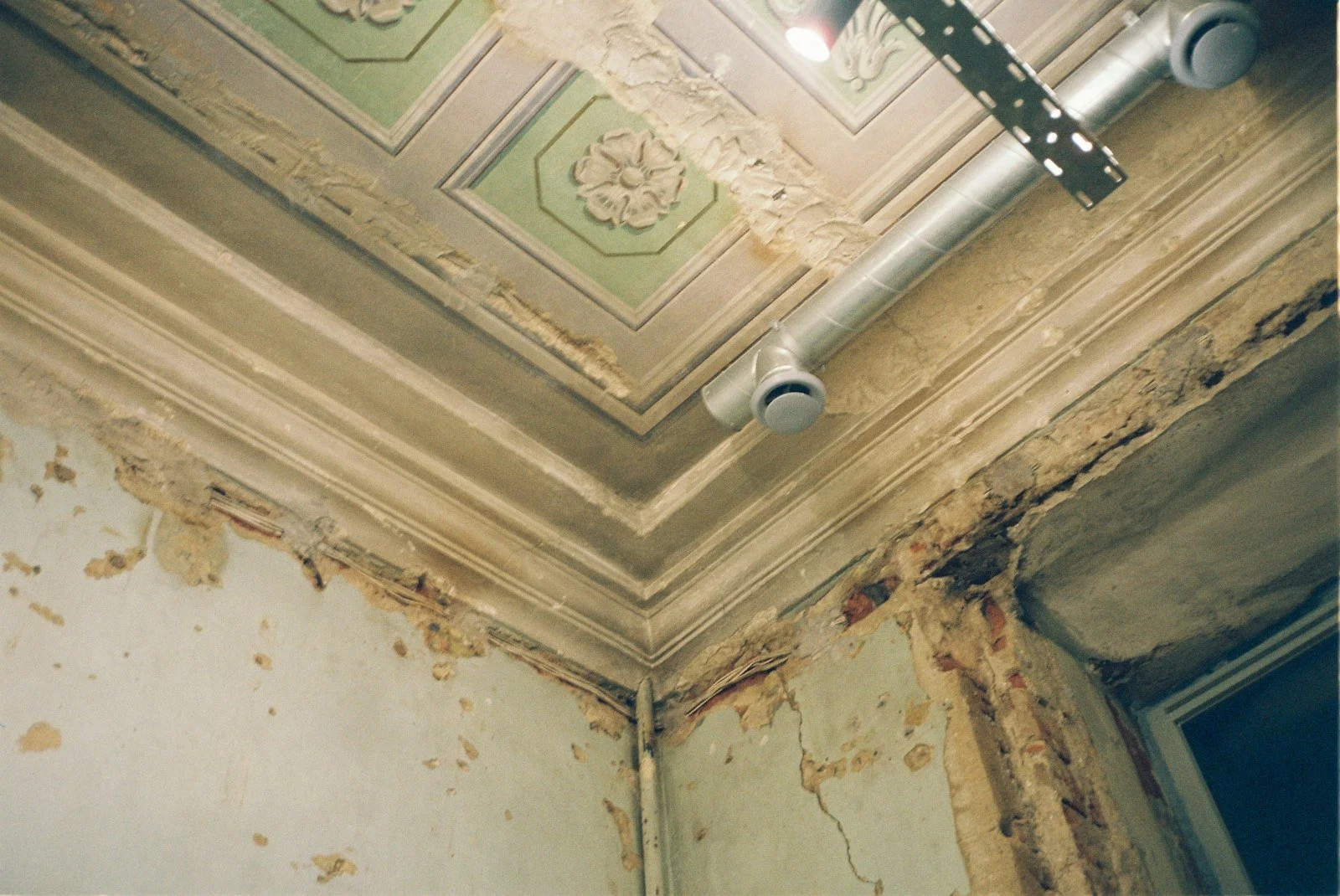
Brown or yellow tide-mark staining, not just black spots. That often means water coming through, not condensation forming on the surface.
A patch that appears after rain, which points to the roof, flashing or a gutter.
Mould or bubbling under a bathroom upstairs or next door, which can be a leaking waste pipe, a shower tray seal or a radiator valve.
A soft, sagging or cracked ceiling, which means the plasterboard or lath-and-plaster is wet through and needs looking at soon.
A musty smell that hangs around even when the room is dry, which can mean damp timber in the ceiling void or the floor. See our guide to a musty smell with no visible damp.
If you're not sure whether it's condensation, a leak or damp coming in, our guide to damp patches: leak, condensation or damp? goes through the differences.
Can I just clean it and paint over it?
You can clean it, and you should. Wear gloves and a mask, use a proper mould cleaner rather than neat bleach, and let it dry fully. Anti-mould bathroom paint can slow regrowth. But neither fixes the cause, so if the fan, the ducting or the insulation is the problem, the mould will be back within a few weeks. Our article on why mould keeps coming back and the difference between mould cleaning and mould remediation cover this in more detail.
What does a damp and mould survey check in a bathroom?
When we look at bathroom ceiling mould, we check:
Humidity in the room and how fast it clears after a shower
Whether the extractor fan actually moves enough air, where it vents, and whether the ducting is insulated
Moisture readings in the ceiling and walls, to tell surface condensation from water coming through
Loft insulation above the bathroom, and any damp or mould on the timbers in the loft
Seals, waste pipes and anything leaking from above or next door
Signs of rot in floor or ceiling timbers if the problem has been going on a long time
You then get a clear, written answer on the cause and what will fix it. Our guide on what a damp survey should tell you explains what to expect.
What does the fix usually involve?
It depends on the cause, which is why we price each job after seeing it. Common fixes include:
Replacing a weak fan with a properly sized, quiet unit with a humidity sensor or overrun timer
Re-routing or insulating the duct so it vents outside, not into the loft
Topping up or relaying loft insulation over the bathroom
Treating and removing the mould, and redecorating with suitable paint
Repairing leaks, seals or roof defects, and replacing wet or rotten ceiling boards or timber
Do landlords need to deal with bathroom mould?
Where the cause is a broken or missing fan, a leak or a building defect, it's normally the landlord's job to fix. Tenants are expected to use the fan and ventilate sensibly. Our guide to damp and mould in a rented home explains who usually does what. Letting agents are welcome to ask us about surveys for their managed properties.
Book a damp and mould survey
If the mould keeps returning, the ceiling is stained or soft, or you just want a straight answer, we can help. Renovani carries out damp surveys for £50 + VAT across Sussex and Kent, covering damp, mould, ventilation and rotten timber. Call 01424 863146 or book a survey.
Bathroom ceiling mould: FAQ
What causes black mould on a bathroom ceiling?
Usually steam from showers and baths condensing on the cold ceiling and not being removed fast enough, because the extractor fan is too weak, badly ducted or not running long enough. A leak from above, a roof defect or missing loft insulation can also cause it.
How do I stop mould coming back on my bathroom ceiling?
Clean it with a proper mould cleaner, then fix the cause: a correctly sized extractor fan with an overrun timer or humidity sensor, ducting that vents outside, and good loft insulation above the bathroom. Paint alone won't stop it returning.
Is mould on the bathroom ceiling dangerous?
Mould can irritate the lungs and make asthma and allergies worse, especially for children, older people and anyone with breathing problems. It's worth dealing with promptly rather than living with it.
How can I tell if bathroom ceiling mould is from a leak?
Brown or yellow tide-mark stains, a patch that appears after rain or under a bathroom upstairs, and a soft or sagging ceiling all point to water coming through rather than condensation. Moisture readings during a survey confirm it.
How much is a damp and mould survey?
Renovani's damp surveys cost £50 + VAT across Sussex and Kent, including Eastbourne, Hastings, Bexhill, Hailsham, Brighton and Tunbridge Wells. The survey covers damp, mould, ventilation and rotten timber.
