
Damp and mould in a rented home is the landlord's responsibility when it comes from the building: a leak, failed gutters, rising or penetrating damp, rotten timber, or ventilation that doesn't work. Tenants are expected to use the home sensibly, such as heating it, opening trickle vents and using extractor fans. In practice most cases are a mix, and the quickest way to stop the arguing is an independent survey that finds the actual cause.
We survey rented houses and flats every week for landlords, letting agents and tenants in Eastbourne, Hastings, St Leonards, Bexhill, Hailsham, Polegate, Seaford, Lewes, Brighton, Battle, Rye and Tunbridge Wells. Here's how to work out what's going on.
Is mould in a rented property always condensation?
No. Condensation is the most common cause of black mould, but "it's just condensation, open a window" is often said before anyone has looked properly. Mould can also come from:
A leaking pipe, roof, gutter or downpipe
Penetrating damp through cracked render, pointing or a bay window
Rising damp, or a damp-proof course bridged by raised paths or render
Cold spots (thermal bridging) at wall corners, lintels and behind wardrobes
Extractor fans that don't work, or have no proper ducting
Missing or blocked air bricks under a timber floor
Our guide on damp patch: leak, condensation or damp? goes through the tell-tale signs of each.
What is the landlord responsible for?
In England, landlords must keep the structure and exterior in repair, keep the home fit to live in, and deal with serious hazards, and damp and mould is one of the hazards councils assess. In general that covers:
Leaks, roofs, gutters, walls, windows and render
Rising and penetrating damp
Rotten timber, including floors and window frames
Heating that works, and ventilation that's fit for purpose (working extractor fans in kitchens and bathrooms)
For social housing, Awaab's Law now sets deadlines for investigating and fixing damp and mould, and the government has said similar rules are coming to private rentals. If you're unsure about your rights, Shelter or your local council's housing team can advise.
What are tenants expected to do?
Living in a home creates moisture. Cooking, showers, drying clothes and even breathing add litres of water to the air every day. Tenants are generally expected to:
Heat the home reasonably, rather than leaving rooms stone cold
Use extractor fans and keep trickle vents open
Avoid drying clothes on radiators without ventilation where possible
Wipe condensation off windows in the morning
Report leaks and damp promptly, in writing
See our tips on reducing condensation on windows and why mould keeps coming back.

How do you prove what's causing the damp?
With evidence, not opinions. A proper damp survey looks at:
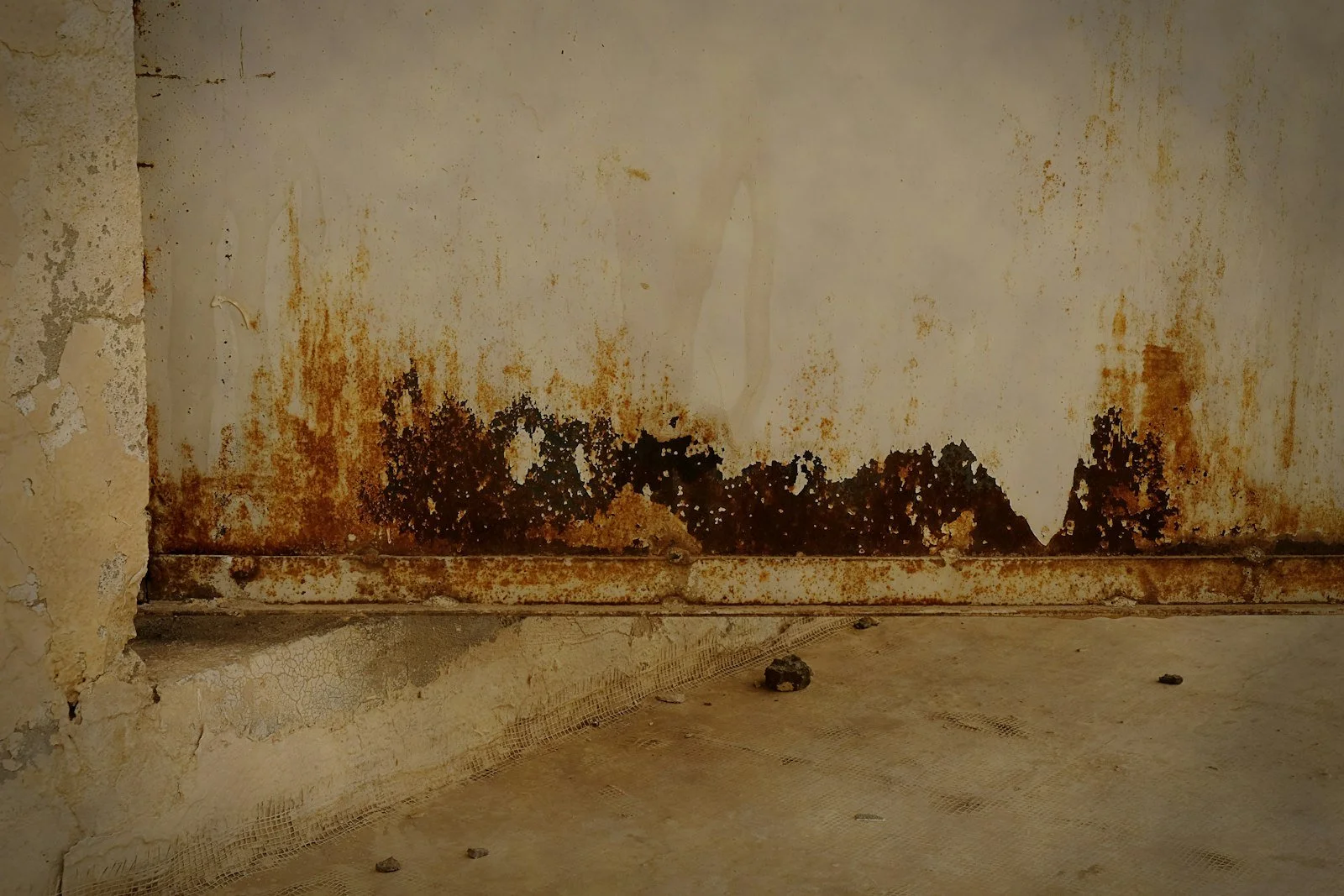
Where the mould or damp is, and its pattern (corners and behind furniture suggest condensation; tide marks low on walls or patches after rain suggest a building defect)
Moisture readings in the walls and timber, not just the surface
Humidity levels in the rooms
Gutters, render, pointing, ground levels and air bricks outside
Whether fans and vents actually work
The survey report then gives landlord and tenant the same facts to work from. It's also useful for letting agents who need a clear, written answer before a dispute escalates. Our guide to what a damp survey should tell you explains what to expect.
Will bleach or mould spray fix it?
Only for a few weeks. Surface cleaning removes the visible mould but not the reason it grew. If the cause is a leak, bridged damp-proof course or broken fan, it comes back. Our article on mould cleaning vs mould remediation explains the difference.
What does fixing it usually involve?
It depends on the cause. Typical work includes repairing leaks and gutters, fitting or upgrading extractor fans and ventilation, mould treatment and anti-mould paint systems, damp-proofing, and replacing rotten timber. We price each job after seeing it, because no two properties are the same.
When should a landlord, agent or tenant book a survey?
Book one if mould keeps returning after cleaning, there are damp patches or tide marks on walls, the home smells musty, or landlord and tenant disagree about the cause. A Renovani damp survey is £50 + VAT, and we cover damp, mould, ventilation and rotten timber in one visit. Book a survey here or call 01424 863146.
Letting agents: ask us about surveys for your managed properties.
FAQ
Is a landlord responsible for mould in a rented property?
Yes, when the mould comes from the building, such as leaks, rising or penetrating damp, rot, or ventilation and heating that don't work. Tenants are expected to heat and ventilate the home sensibly.
How can I tell if mould is condensation or a building defect?
Condensation mould usually appears in cold corners, around windows and behind furniture. Damp patches low on walls, stains that grow after rain, or musty smells under floors point to a building defect. A damp survey with moisture readings confirms which.
Can a tenant ask for a damp survey?
Yes. Tenants, landlords and letting agents can all book one. An independent report gives both sides the same facts.
Does cleaning mould with bleach solve the problem?
No. It removes the visible mould but not the cause, so it usually returns within weeks.
How much is a damp survey in Sussex and Kent?
A Renovani damp survey is £50 + VAT across Sussex and Kent, including Eastbourne, Hastings, Bexhill, Hailsham, Polegate, Brighton and Tunbridge Wells.
