
A bouncy or soft floor usually means something underneath is weak: the floorboards, the joists that hold them up, or the timber the joists sit on. The most common causes we find are wet rot from damp, dry rot, old woodworm damage, and joists that have been notched or cut for pipes and cables. A slight give in an old suspended floor can be normal, but a floor that has got worse, feels soft in one spot, or smells musty should be looked at before it's covered with new flooring.
We survey suspended timber floors every week in Victorian, Edwardian and 1930s homes across Eastbourne, Hastings, St Leonards, Bexhill, Hailsham, Polegate, Seaford, Lewes, Brighton, Battle, Rye and Tunbridge Wells. Here's how to tell what's likely going on.
Is a bouncy floor normal in an old house?
Some movement is normal. Older ground floors are usually suspended timber: boards nailed to joists, with a ventilated void underneath. Over a century, timber shrinks, nails loosen and boards creak. A gentle, even spring across a whole room, that hasn't changed in years, is often just how the floor was built.
What isn't normal:
One area that feels noticeably softer or dips
A floor that is getting worse month by month
Boards that crack, split or feel spongy when you press them
Gaps opening up at the skirting boards
Furniture that rocks or doors that start catching
What causes a soft or springy floor?
Wet rot in the joists or boards
The most common cause. Timber that stays damp for long enough rots, softens and loses strength. Typical sources are blocked air bricks, a leaking pipe or radiator, a shower or toilet seal, or ground levels and render bridging the damp-proof course. Wet rot usually stays where the wet is, so fixing the moisture is half the job.
Dry rot
Less common but more serious. Dry rot can spread through masonry and behind plaster, and often shows as a musty, mushroomy smell, cotton-wool-like growth or orange-brown spore dust. If you notice any of that, read our dry rot warning signs guide and get it checked promptly.
Woodworm damage
Old woodworm holes don't always mean a weak floor, but heavy past infestation can leave joist ends and boards crumbly. Our guide to whether woodworm is active or old explains what to look for.
Notched, cut or undersized joists
Plumbers and electricians have been cutting into joists for decades. A notch in the wrong place, or too deep, can make a floor springy even when the timber is sound. We also see joists that were simply too small for the span, or that were never properly supported at the wall.
Rotten wall plates and joist ends
Joists often sit on a timber wall plate or straight into the wall. These are the dampest spots under a floor, so rot often starts at the edges of the room first, which is why a floor can feel solid in the middle and soft near an outside wall.
How can I check my floor myself?
A few safe checks before you call anyone:
Walk the room slowly and note where it feels soft or dips. Mark it.
Check the air bricks outside. Are they blocked by soil, paving, plants or paint?
Smell near the skirting. A strong musty smell under a floor is a warning sign.
Look in the void if you have a loose board or hatch. Use a torch: look for wet timber, white or grey fungal strands, crumbly wood or standing water. Don't crawl in if it isn't safe.
Press the timber with a screwdriver. Sound timber resists; rotten timber lets it sink in easily.
If you find soft, crumbly or wet timber, stop there and get it surveyed.
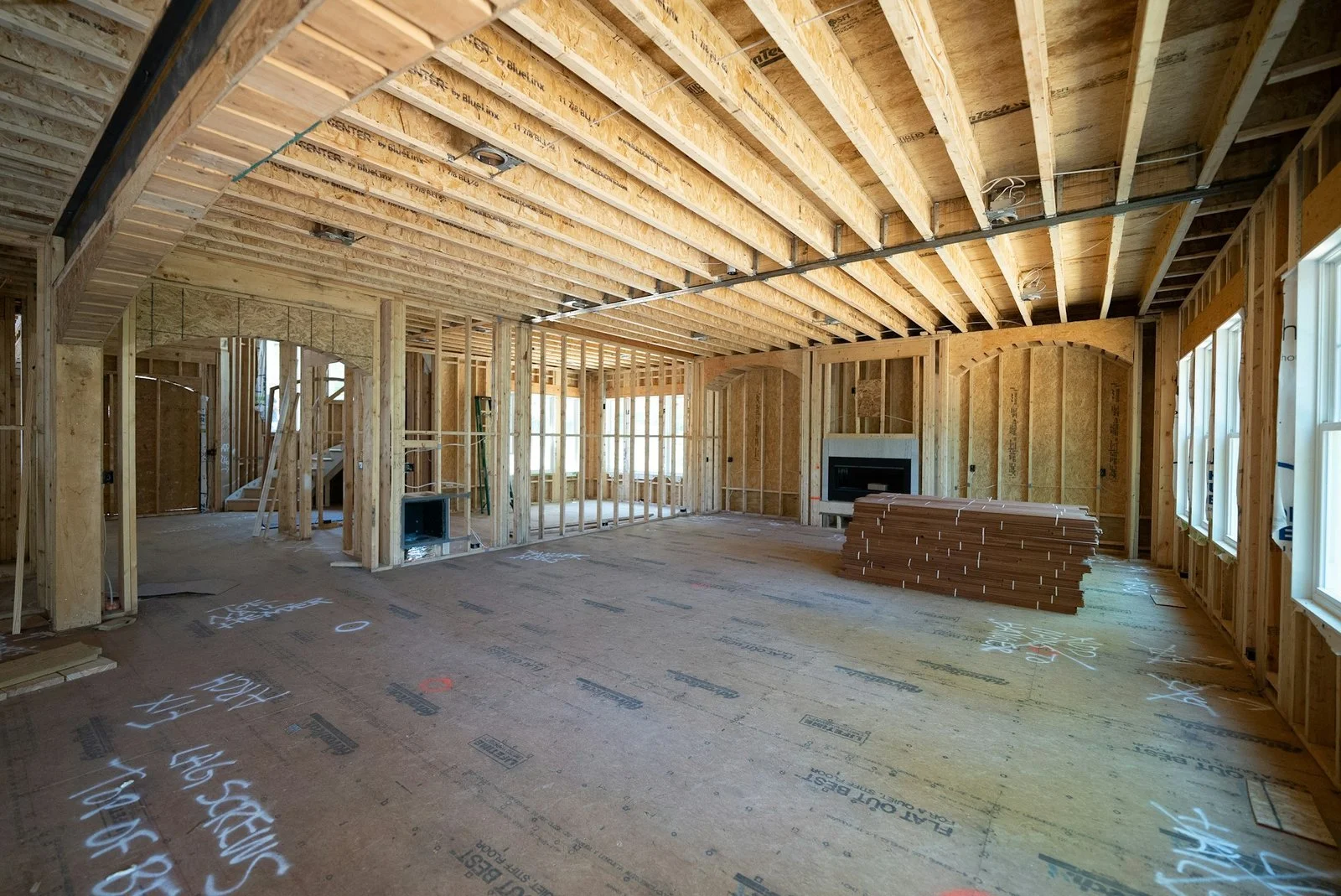
Can I just put new flooring or ply over it?
We'd advise against it. Overlaying a soft floor hides the symptom and leaves the cause underneath, often with less ventilation than before. If the problem is rot, it keeps going. New laminate or carpet laid over a failing floor is one of the most common things we end up lifting.
How is a rotten floor repaired?
It depends on the cause and how far it's gone. Typical repairs include:
Fixing the moisture source first (leak, air bricks, ground levels)
Cutting out rotten timber and fitting new treated joists, or bolting new timber alongside (sistering)
New wall plates and joist hangers where ends have rotted
Timber treatment where woodworm or rot needs it
Improving under-floor ventilation so it stays dry
Our guide to rotten floor joists: repair or replacement covers this in more detail. Every floor is different, so we price each job after seeing it rather than from a fixed list.
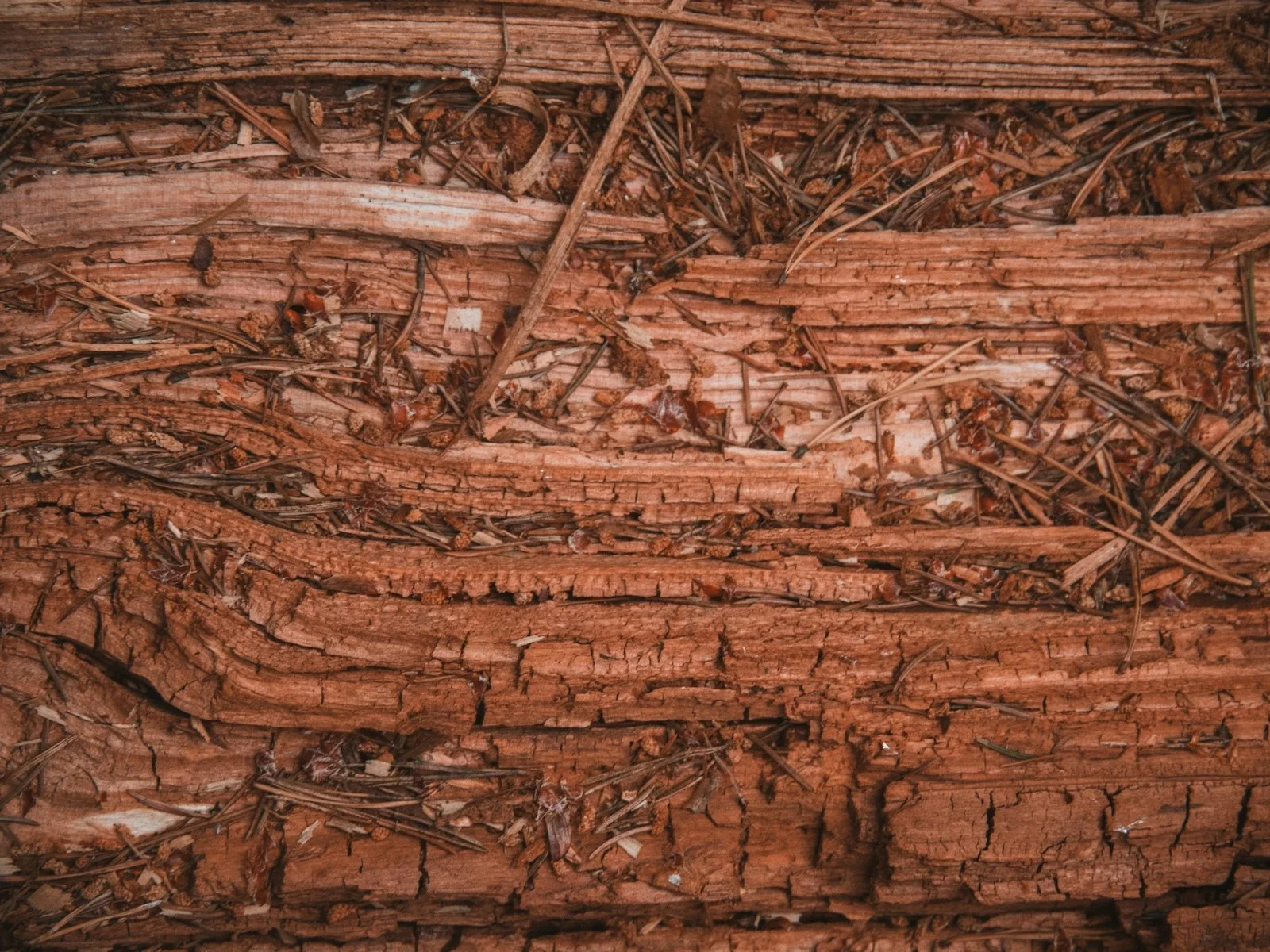
When should I book a timber survey?
Book a survey if the floor is soft in one spot, getting worse, smells musty, or you've found damp or decayed timber in the void. It's also worth it before you lay new flooring, or if you're buying a house with a springy floor.
A Renovani damp and timber survey is £50 + VAT. We check the floor, the void where we can access it, moisture levels, ventilation and the likely cause, then explain what needs doing in plain English. Book a survey here or call 01424 863146.
FAQ
Why does my floor feel bouncy?
Usually because the boards or joists underneath have lost strength. Common causes are wet rot from damp, dry rot, old woodworm damage, or joists that have been notched for pipes and cables. A slight, even give in an old suspended floor can be normal.
Is a soft spot in my floor dangerous?
It can be. A soft spot that is getting worse may mean rotten timber that could eventually give way. Avoid putting heavy furniture on it and get it checked.
Can rotten floor joists be repaired rather than replaced?
Often, yes. Joists can sometimes be strengthened by bolting new treated timber alongside, but badly rotten sections need cutting out and replacing. The moisture source must be fixed first.
Should I lay new flooring over a bouncy floor?
No. Overlaying hides the problem and can make under-floor ventilation worse. Find and fix the cause first.
How much is a damp and timber survey?
A Renovani damp and timber survey is £50 + VAT across Sussex and Kent, including Eastbourne, Hastings, Bexhill, Hailsham, Polegate, Brighton and Tunbridge Wells.
