
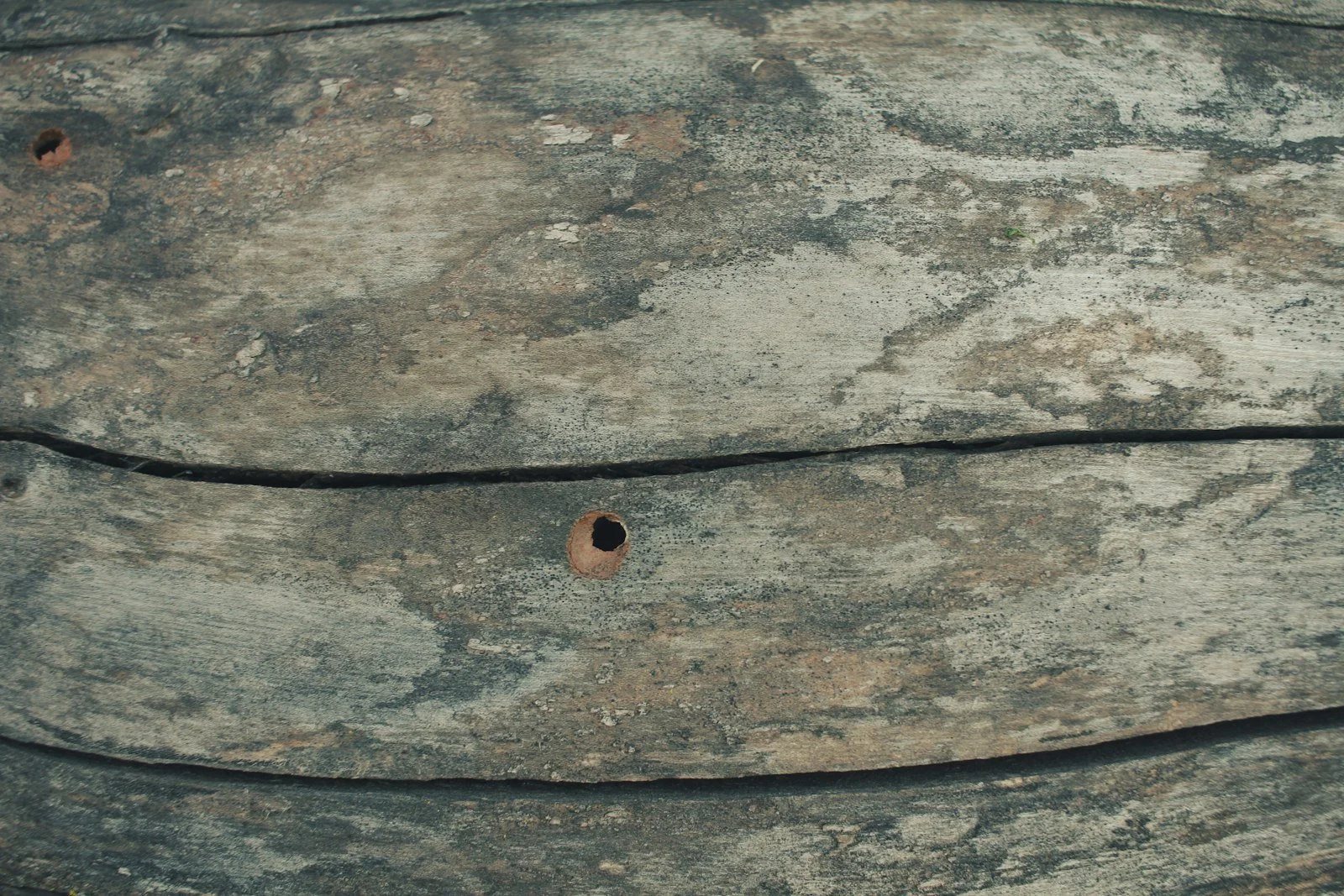
Small round holes in floorboards, stair timbers or loft rafters send a lot of people straight to "the house needs treating". Sometimes it does. Very often, though, the holes are decades old, the beetle is long gone, and spraying the whole property would be money spent for nothing.
The real questions are: is the infestation still active, is the timber still strong, and what made the wood attractive to beetles in the first place? Here's how to start answering them.
What woodworm actually is
"Woodworm" is the larvae of wood-boring beetles. The larvae live inside the timber for several years, eating the wood, then chew their way out as adult beetles, leaving the exit holes you see. In UK homes the most common is the common furniture beetle, which leaves round holes of about 1–2 mm. Larger or oval holes can point to other species, such as deathwatch beetle in old hardwood (usually oak) structures, or wood-boring weevil in timber that's already wet and decaying.
Identifying which one you've got matters, because it changes how serious the problem is and how it should be dealt with.
Signs woodworm may be active
Fresh, clean-edged holes. New holes look sharp and pale inside. Old holes are usually darkened, dusty or filled with old polish or paint.
Fine, light-coloured dust (frass) below or around the holes, especially if it reappears after you've cleaned it away.
Dead or live beetles on windowsills or around affected timber, mostly between April and September when adults emerge.
Holes through recent paint or varnish. If holes appear in a finish you know was applied recently, something has come out since.
Soft, crumbling or powdery timber when you press it with a screwdriver, particularly at edges and joints.
Signs it's probably historic
Holes are dark inside and look the same as they have for years
No fresh dust, even after hoovering and checking again a few months later
Timber is dry and feels sound when tested
The property has been heated and lived in for a long time
A useful trick: vacuum the area thoroughly, or put a sheet of dark paper beneath affected timber, and check again through the spring and summer. Fresh frass is a much better sign of activity than the number of holes.
Why damp is usually the real story
Woodworm larvae thrive in timber with a higher moisture content. In a dry, centrally heated house, the common furniture beetle tends to die out on its own. That's why active woodworm is so often found alongside:
Damp suspended timber floors with poor sub-floor ventilation (blocked air bricks are a classic)
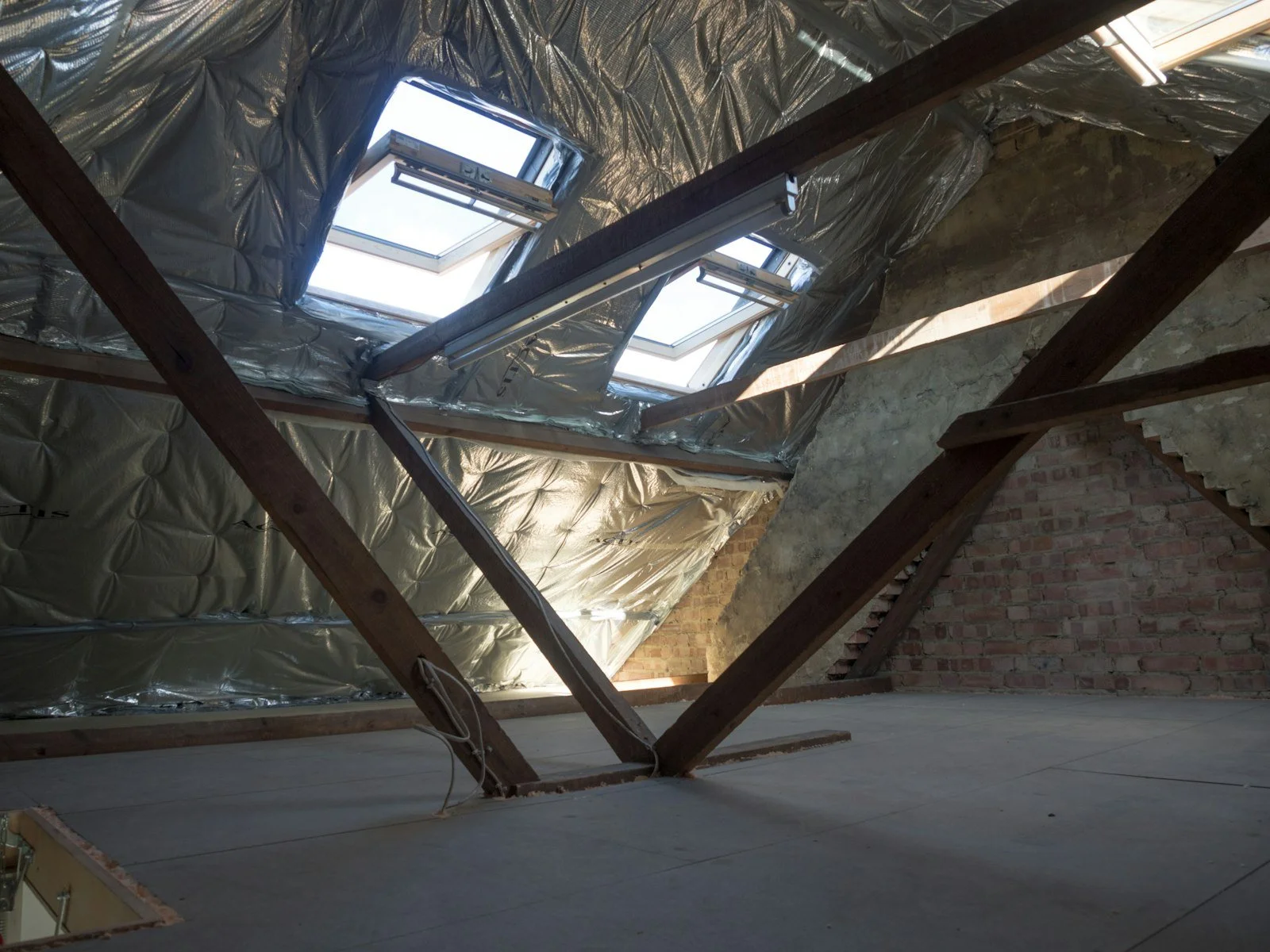
Loft timbers near roof leaks or condensation, see our guide to condensation in the loft
Joist ends built into damp external walls
Cellars and under-stair cupboards that never really dry out
Wood-boring weevil, in particular, only goes for timber that's already wet and decaying, so finding it usually means there's wet rot to deal with too. Our article on wet rot vs woodworm explains how the two often turn up together.
Treating the beetle without fixing the damp is only half a job.
When woodworm is a structural concern
A few holes in a skirting board are rarely a structural issue. Get it looked at properly if:
Floorboards feel springy or have started to give near the holes
Joists, rafters or stair timbers are heavily holed or crumble when probed
You see larger holes (around 3 mm or more) in old oak beams
The timber is also damp, stained or showing fungal growth
Heavily damaged joists may need splicing, strengthening or replacing, not just treating. See rotten floor joists: repair or replacement and signs of hidden timber decay.
Buying a house with woodworm?
Mortgage valuers and Homebuyer surveys often note "evidence of wood-boring insect infestation" without saying whether it's active. Lenders may then ask for a specialist timber report before releasing funds. Don't panic, and don't assume you need a whole-house spray. A proper timber inspection should tell you whether it's active, how far it extends and what, if anything, needs doing. More in mortgage lender wants a damp and timber report?
What treatment involves (when it's needed)
Where activity is confirmed, treatment is usually targeted rather than whole-house:
Find and fix the moisture source, such as sub-floor ventilation, leaks or bridged walls
Remove and replace any timber too weak to stay in place
Apply an approved timber insecticide to exposed, affected timbers (lifting floorboards where needed)
Leave it to dry before refitting coverings
Renovani is Biokil approved, and qualifying treatment work can be backed by a Biokil guarantee. Ask us about guarantee options for your job when we quote.
When to book a survey
It's worth booking a timber survey if:
You've found fresh dust or new holes
Holes are in structural timbers (joists, rafters, stairs) rather than just furniture
The timber is soft, damp or near a known damp problem
A buyer's survey or lender has flagged woodworm
You've been quoted for whole-house treatment and want an independent view first
Renovani's £50 damp and timber survey includes an on-site inspection, moisture readings where appropriate, photos, written findings and practical recommendations. The £50 is deducted from any Renovani work you go ahead with. See also what a damp survey should tell you.
Woodworm surveys in Sussex and Kent
Renovani inspects homes across East Sussex, West Sussex and Kent, including Eastbourne, Hastings, Bexhill, St Leonards, Brighton, Lewes, Hailsham, Seaford, Battle, Rye and Tunbridge Wells. We'll tell you straight whether your woodworm is active or historic, whether damp is behind it, and what's genuinely worth doing.
Book a survey or get in touch. You can read more about our timber treatment work.
