
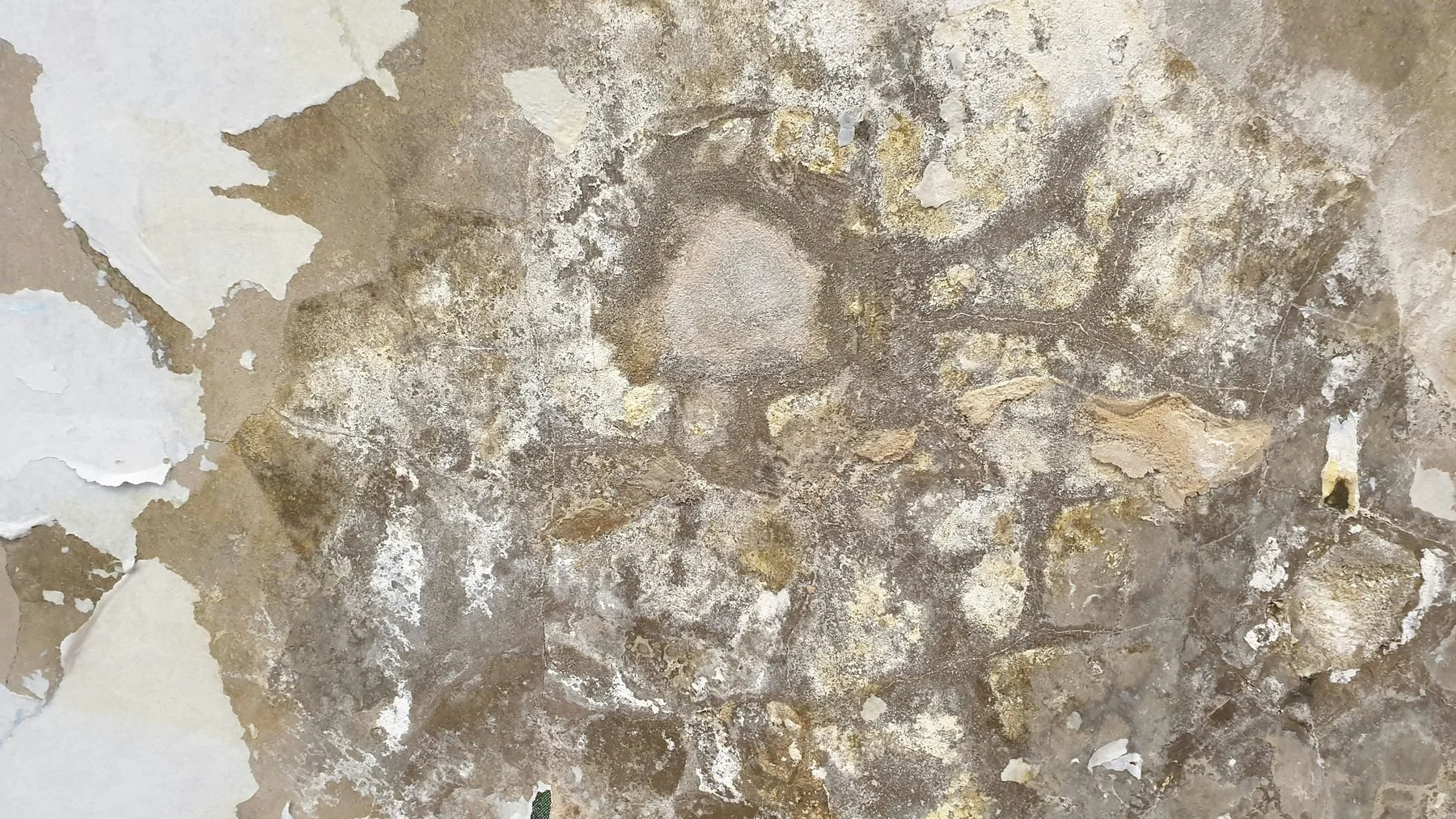
Skirting boards are often the first place damp shows itself. Paint starts flaking, the wood goes soft, a tide mark creeps up the wall above it, or you notice a musty smell when you move the sofa. Because skirting sits right at the base of the wall, people tend to assume it's rising damp. Sometimes it is. Often it isn't.
Here's how to work out what's going on, what you can check yourself, and when it's worth getting it looked at properly.
What damp skirting boards usually look like
Flaking or bubbling paint along the top edge or the face of the board
A brown or yellow tide mark on the plaster just above the skirting
White, fluffy or crystalline deposits on the plaster (salts drawn out as the wall dries)
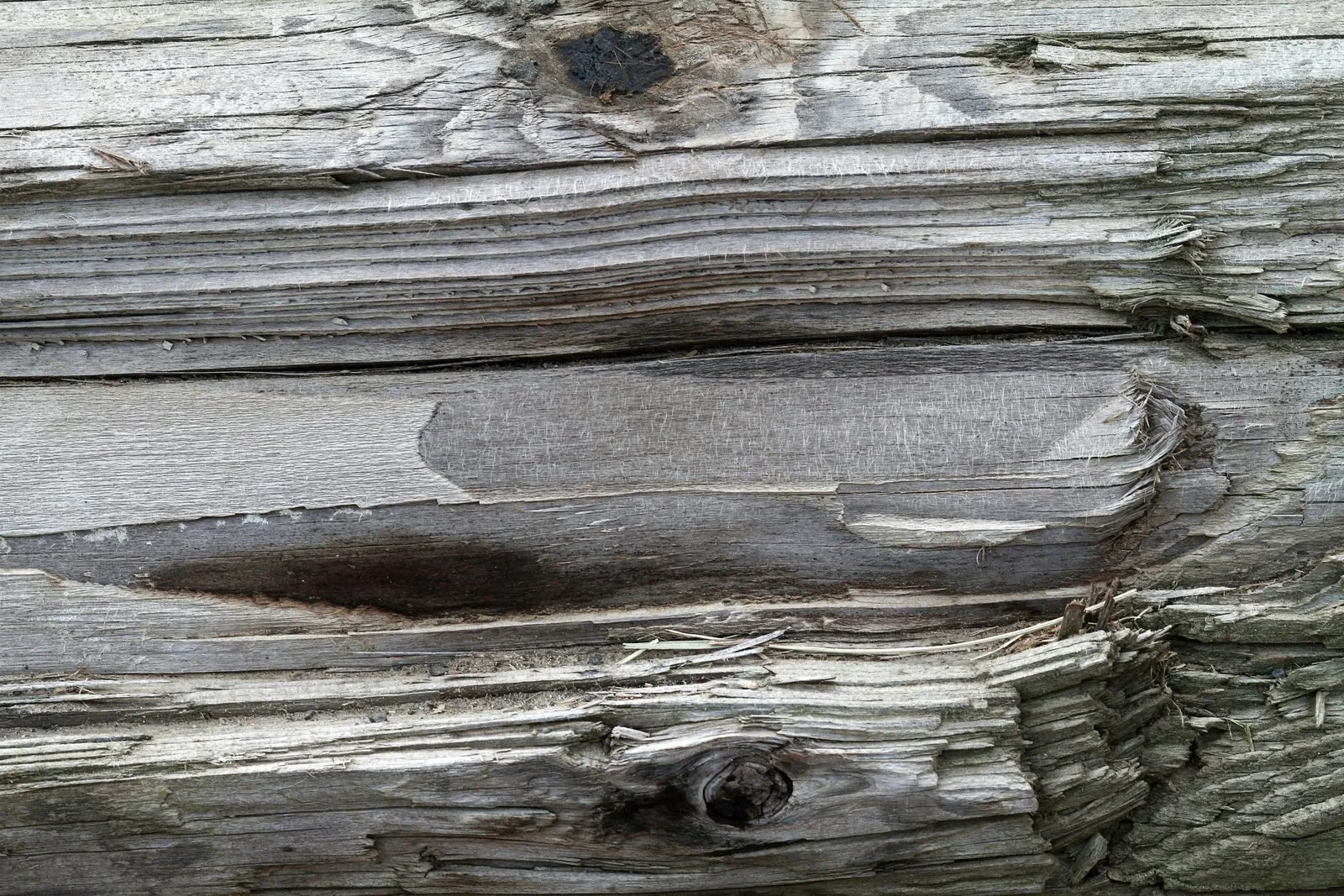
Soft, swollen or crumbling timber, sometimes coming away from the wall
Black mould along the bottom of the wall or behind furniture
A musty, earthy smell, especially in a closed-up room
The pattern matters more than any single sign. Where it is, how high it goes, and when it gets worse all point to different causes.
The common causes
1. Condensation at low level
Cold external walls, especially behind wardrobes, beds and sofas, can stay damp from condensation. Air doesn't move behind furniture, so the bottom of the wall stays cold and wet. You'll usually see black mould spotting rather than a tide mark, it's worst in winter, and it's often on external walls in bedrooms. Pulling furniture a few centimetres off the wall and improving ventilation often makes a visible difference. Our guide to black mould in the bedroom covers this pattern.
2. A bridged damp-proof course
Many walls that look like they have rising damp actually have a damp-proof course (DPC) that's been bypassed. Common culprits are a raised patio or flowerbed outside, render taken down to the ground, or debris in the cavity. Check outside first: the ground should ideally be around 150 mm below the DPC line. See bridged damp-proof course, ground levels and render for what to look for.
3. Leaks and plumbing
A slow leak from a radiator valve, central heating pipe, washing machine hose or shower tray will often show up first at skirting level. The giveaway is a localised patch that doesn't follow the whole wall, and may get worse when the heating or appliance is in use. Check radiator valves and pipe joints near the damp before anything else.
4. Penetrating damp
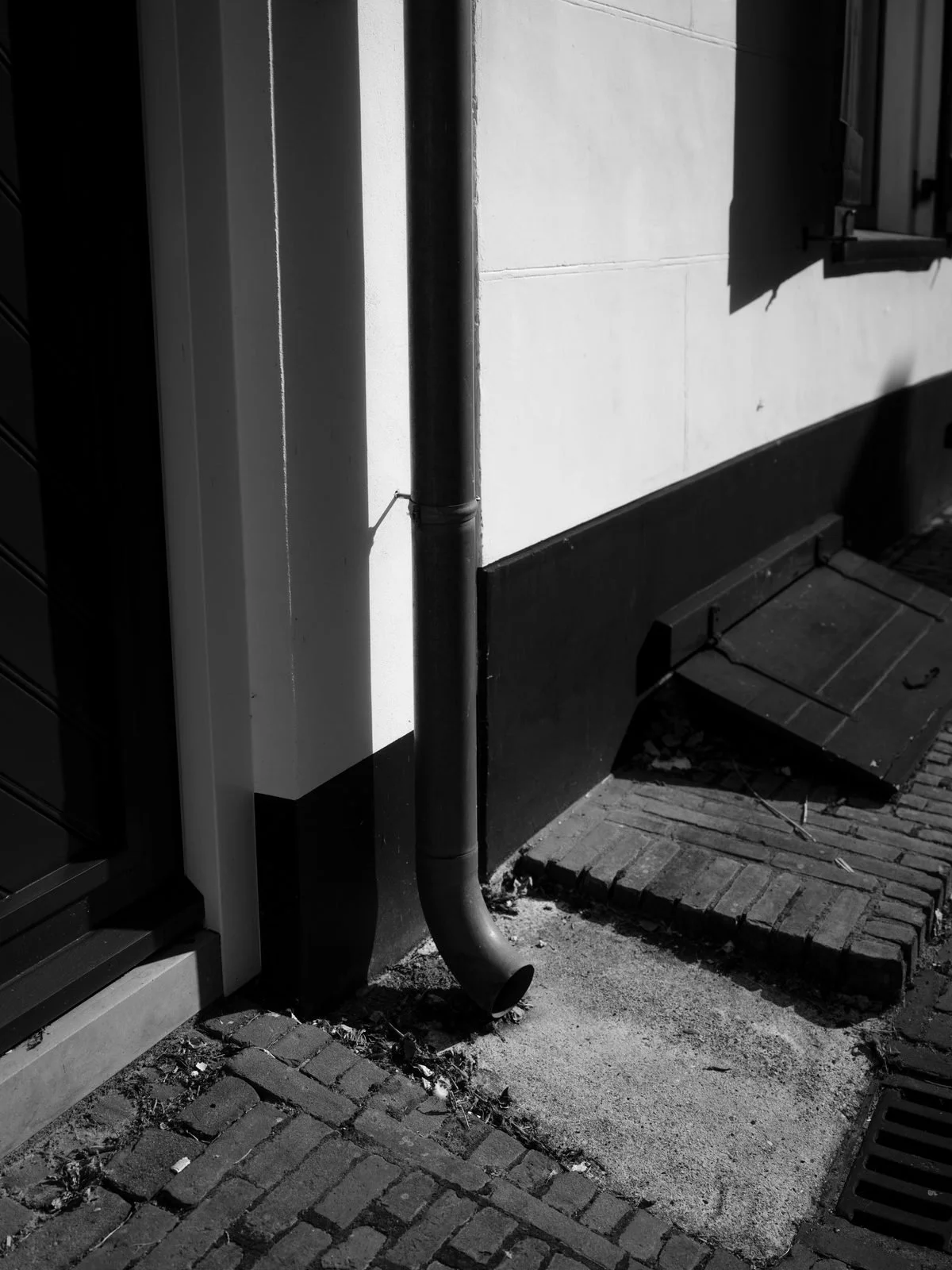
Rain getting in through defective pointing, cracked render, a leaking downpipe or a blocked gully can soak the base of a wall. It's typically worse after heavy or wind-driven rain and on the most exposed side of the house. More on that in penetrating damp after heavy rain.
5. Genuine rising damp
True rising damp is less common than people think, but it does happen, especially in older solid-wall properties with no DPC or a failed one. It usually shows as a fairly even tide mark up to around a metre, salts in the plaster, and damp that doesn't change much with the weather. Our rising damp signs guide and penetrating damp vs rising damp explain the difference.
Is the skirting rotten?
If the timber is soft when you press it with a screwdriver, it's likely wet rot. Wet rot needs the timber to stay wet, so once the moisture source is fixed it stops spreading, and the affected boards can be cut out and replaced.
Be more cautious if you see any of these:
Cuboid cracking in the wood (breaking into small cubes)
White or grey cotton-wool-like strands behind the skirting or on the plaster
Orange-brown spore dust
A mushroom-like growth or a strong damp, mushroomy smell
These can point to dry rot, which can spread behind plaster and into floor joists. Don't just replace the board and paint over it. Read dry rot warning signs and wet rot vs dry rot, and get it inspected.
If the skirting is rotten along a ground-floor wall, it's also worth checking the floor itself. Bouncy or sunken floorboards near the damp can mean the joist ends are affected too. See rotten floor joists: repair or replacement.
What to check before you call anyone
Look outside at the same wall: ground levels, render, downpipes, gutters and pointing.
Check nearby pipes and radiators for drips, corrosion or damp around valves.
Move furniture away from the wall and see whether the mould pattern changes over a week or two.
Note when it gets worse: after rain, in cold weather, or all year round.
Press the skirting gently with a screwdriver to see if the timber is sound.
Be wary of a cheap moisture meter. They're designed for timber and can give high readings on plaster with salts or foil-backed paper. Our guide to moisture meter readings explains why.
Why replacing the skirting isn't enough
It's tempting to fit new skirting, repaint and move on. If the cause is still there, the new board will go the same way, often within a winter or two. Plaster that has held salts can also keep drawing in moisture even after the source is fixed, which is why replastering after damp sometimes needs a specific approach.
The right order is: find the cause, fix the cause, let the wall dry, then repair the plaster and skirting.
When to book a survey
It's worth getting a survey if:
The damp or tide mark runs along a whole wall or several rooms
The skirting is soft, crumbling or has fungal growth behind it
You've fixed the obvious causes and it's still coming back
Floorboards near the damp feel soft or springy
You've been quoted for a chemical DPC injection and want an independent view first
You're buying, selling or remortgaging and a surveyor has flagged damp at skirting level
Renovani's £50 damp and timber survey includes an on-site inspection, moisture readings where appropriate, photos, written findings and practical recommendations. The £50 is deducted from any Renovani work you go ahead with. For more on fees, see damp survey cost in Sussex and Kent, and what a damp survey should tell you.
Damp skirting boards in Sussex and Kent
Renovani carries out damp and timber surveys across East Sussex, West Sussex and Kent, including Eastbourne, Hastings, Bexhill, St Leonards, Brighton, Lewes, Hailsham, Seaford and Tunbridge Wells. We'll tell you whether it's condensation, a leak, a bridged DPC, penetrating damp, rising damp or rot, and what's actually worth doing about it.
Book a survey or get in touch. You can also read more about our damp proofing and timber treatment work.
