

New windows are meant to make a house warmer, quieter and cheaper to heat. Then the first cold spell arrives and you find wet glass, dripping sills or black mould on the reveals. It feels as if the new windows have caused a damp problem. In most cases they haven't let water in. They have changed how moisture leaves the house.
Here's why that happens, what to check, and when it's worth getting a survey rather than blaming the installer.
Why new windows can bring on condensation
Older timber or metal windows were often draughty. Those gaps were annoying, but they also let moist air out. Modern double or triple glazing is much tighter. Unless trickle vents are open and the house has decent extraction, the moisture from cooking, showering and drying clothes has fewer ways to escape.
When that moist air hits a cold surface – usually the glass, the window reveal or an external wall – it condenses. The first winter after the windows go in is when most people notice it.
Typical causes are:
The house is more airtight, so indoor humidity stays higher
Trickle vents were not fitted, were left closed, or were painted shut
Bathroom or kitchen fans are weak, unused, or venting into the loft rather than outside
Radiators were moved or the new frames sit tighter to the wall, leaving cold spots around the reveal
Clothes are dried indoors with the windows kept shut because the house finally feels warm
The windows themselves are rarely leaking. What you're seeing is moisture from inside the house, not rain coming in.
Signs it's condensation, not a leaking window
Mist or droplets on the inside of the glass, worst on cold mornings and in bedrooms
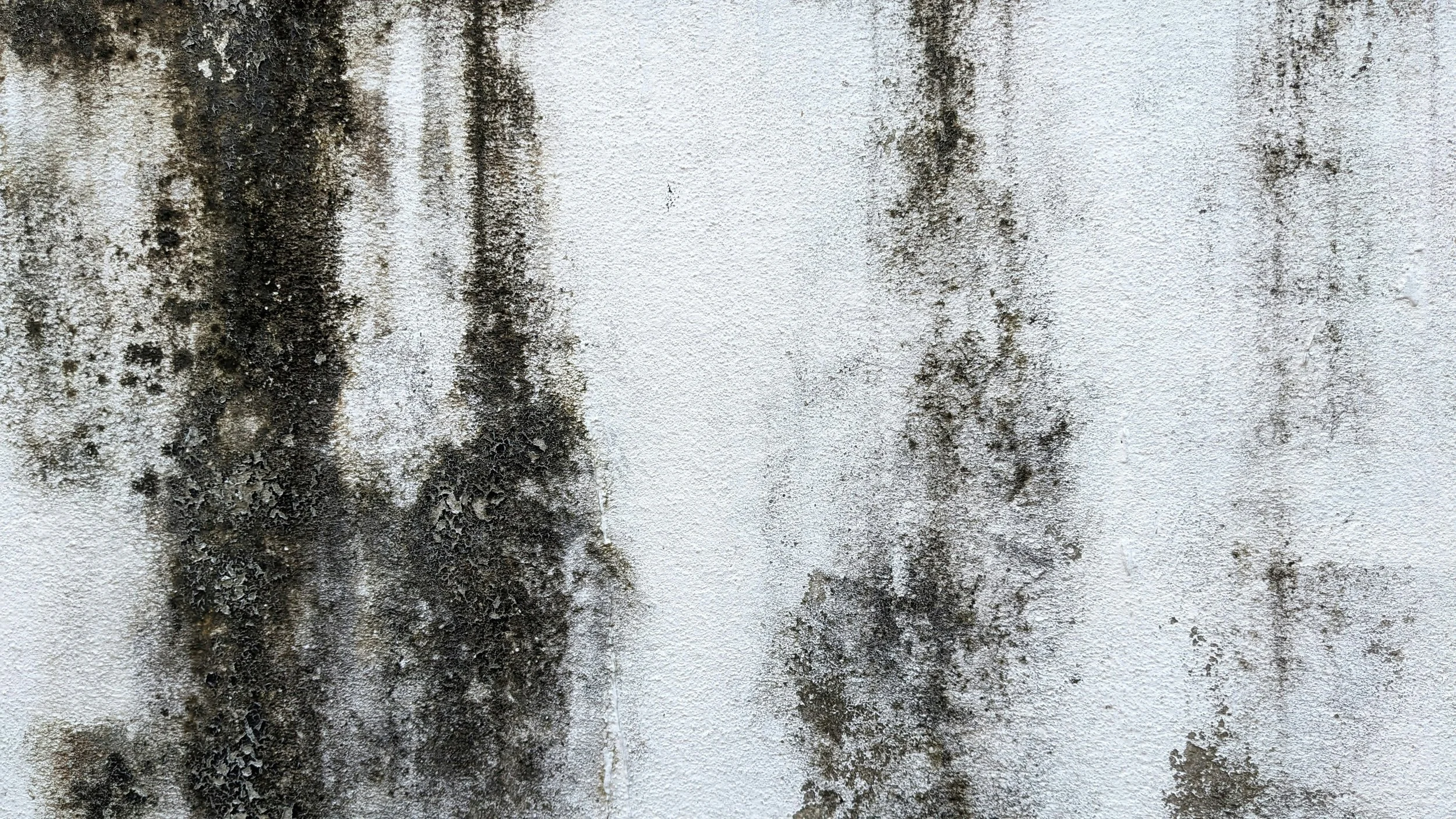
Wet or peeling paint on the window reveal or sill, often with black spotting in the corners
Mould on the rubber seals, the reveal, or the wall beside the window, rather than a single drip below the frame
It eases when you air the room or when the weather warms up, then comes back in the next cold snap
Several windows are affected, not just one
A leak around a poorly installed frame is possible, but it usually shows as a localised wet patch under one window, worse after rain, sometimes with staining on the outside or a gap in the sealant. If only one window is wet and it tracks rain, get the installer back. If the problem is widespread and follows cold nights, treat it as a moisture and ventilation issue first.
What to do before you call anyone
Open the trickle vents and leave them open, especially in bedrooms. Check they aren't painted or taped shut.
Use extractor fans properly. Run the bathroom fan during showers and for at least 15 minutes afterwards, and the kitchen fan when cooking. Make sure they actually vent to outside, not into the loft. Our guide to extractor fans vs dehumidifiers explains what genuinely helps.
Cut the moisture load. Dry washing outdoors or in a vented tumble dryer where you can, put lids on pans, and keep bedroom doors ajar so air can move.
Keep a background of heat. A room that is heated a little and steadily is less prone to cold-surface condensation than one that is stone cold overnight and then blasted in the morning.
Wipe and clean mould safely, then look at the cause. If it keeps returning in the same spots, cleaning alone won't fix it. See why mould keeps coming back.
For more on the glass itself, read how to reduce condensation on windows. If the mould is mainly in a bedroom, our black mould in the bedroom guide covers that pattern.
When it might not be just the windows
New windows can coincide with other changes that also trap moisture or let water in:
Extra loft insulation or cavity wall insulation that wasn't suitable for an exposed wall
Blocked vents or a loft hatch that isn't sealed, which can show up as condensation in the loft
A genuine leak at the lintel, the sill or the cavity closer, or rain getting in around the frame
An existing damp problem that was always there, and is easier to see now the rooms are being redecorated
If you've done the basics and the mould or wet patches are still there, or you're not sure whether it's condensation or water coming through the wall, a survey is the way to settle it.
When to book a survey
It's worth booking if:
Condensation or mould has appeared since the windows were fitted and hasn't improved after weeks of better ventilation
Mould is spreading onto walls, ceilings or furniture, not just the glass
One window looks more like a leak after rain than morning condensation
You're in a dispute with the installer and need an independent view
You're selling, buying or remortgaging and a surveyor has flagged damp or mould around the windows
Renovani's £50 damp and timber survey includes an on-site inspection, moisture readings where appropriate, photos and written findings, and the fee is deducted from any Renovani work you go ahead with. For fees in more detail, see how much a damp survey costs in Sussex and Kent, and what a damp survey should tell you.
Condensation after new windows in Sussex and Kent
Renovani carries out independent damp, condensation and mould surveys across East Sussex, West Sussex and Kent, including Eastbourne, Hastings, Bexhill, Brighton, Lewes, Hailsham, Seaford and Tunbridge Wells. We'll tell you whether it's everyday condensation, a ventilation problem, or water getting in around the frames, and what is actually worth doing.
Book a survey or get in touch. You can also read about our condensation and mould work.
