
Cavity wall insulation is meant to make a house warmer and cheaper to heat, and in most homes it does. But every autumn we're called to houses across Sussex and Kent where damp patches, cold spots or mould started appearing a year or two after the walls were filled. Sometimes the insulation really is the problem. Often it's something else that happened to show up at the same time.
Here's how to tell the difference, what's usually going on, and what to do before you spend money on the wrong fix.
How a cavity wall is supposed to work
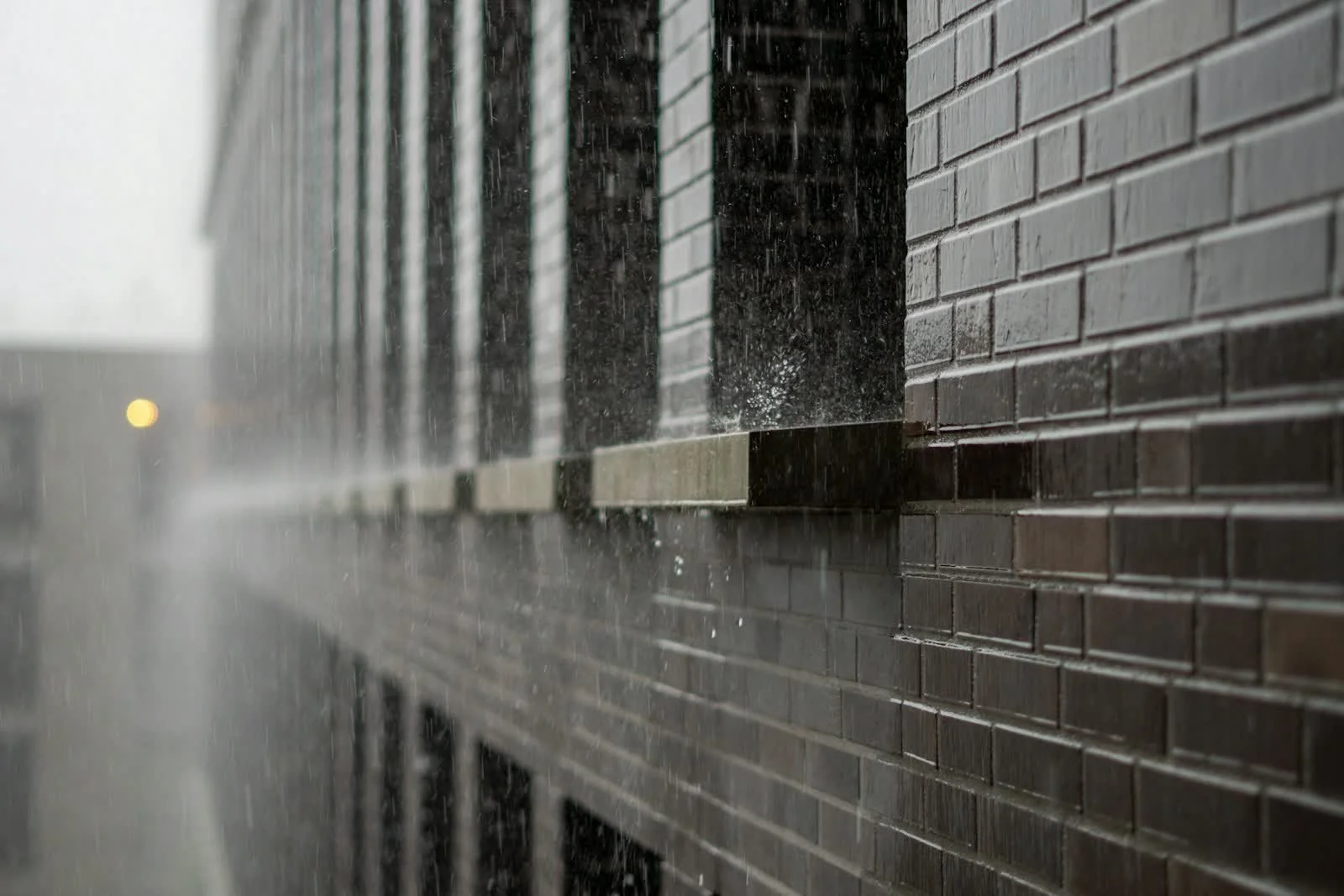
Most houses built from the 1930s onwards have two leaves of masonry with a gap between them. That gap does an important job: rain that soaks through the outer brick runs down the inside of the outer leaf and drains out at the bottom, without ever reaching the inner wall.
Filling the cavity with insulation (blown mineral wool, beads or foam) cuts heat loss. Done properly, on a suitable wall, it doesn't stop the wall staying dry. Problems start when the wall wasn't suitable in the first place, or when the fill gives water a route across the gap.
Signs the insulation may be causing damp
These patterns point towards the cavity fill rather than condensation or rising damp:
Damp patches on external walls only, often on the side of the house that takes the weather. In much of Sussex and Kent that's the south-west, and coastal homes around Eastbourne, Hastings, Bexhill and Seaford get it worst.
Patches that get worse after wind-driven rain, then slowly fade in dry spells.
Damp that started within a few years of the insulation going in, where the walls were dry before.
Isolated cold or damp spots at the same height on a wall, sometimes around windows, which can mean gaps or voids in the fill (cold bridging) or debris sitting in the cavity.
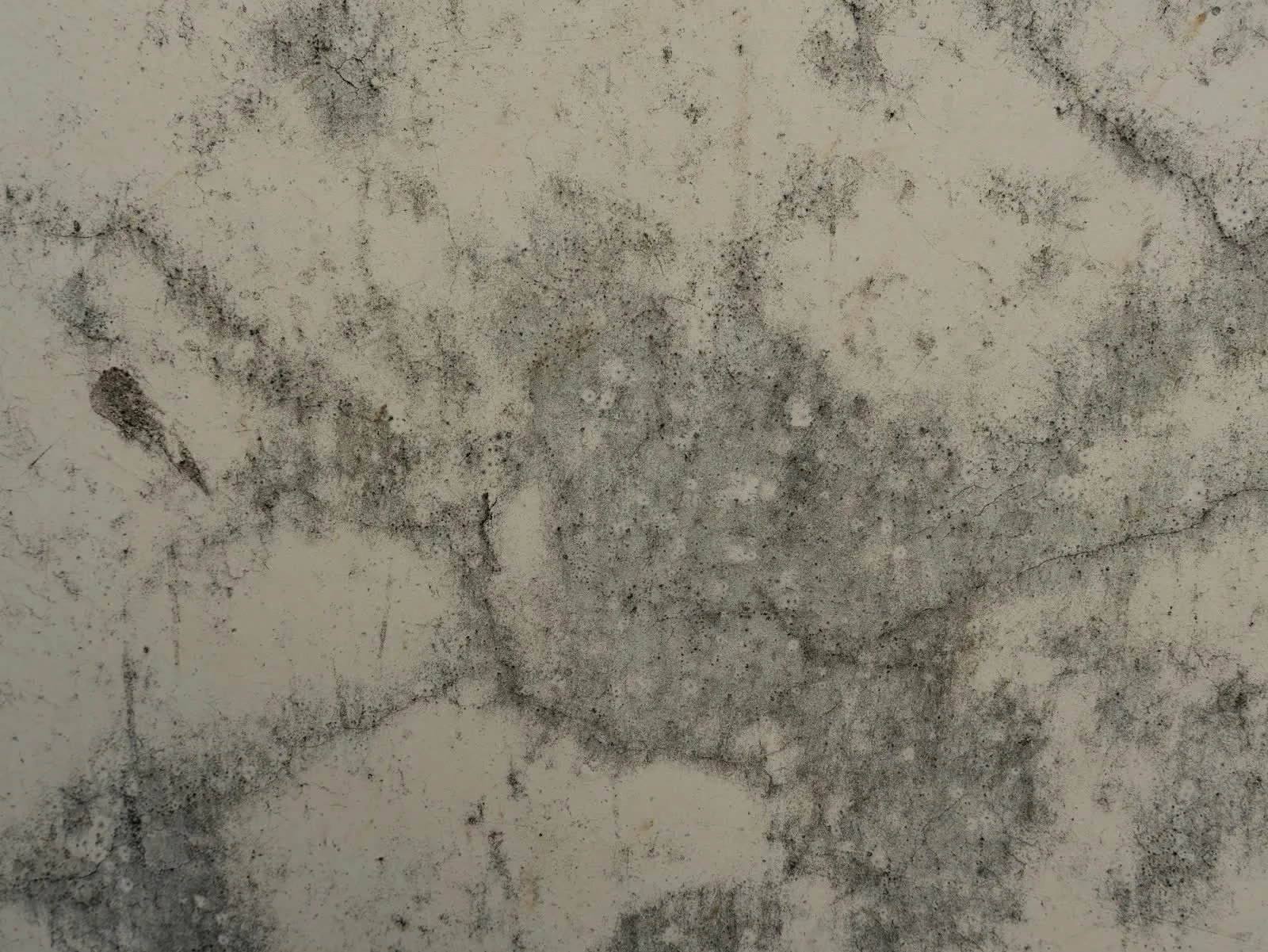
Mould on inside walls in a pattern that matches damp areas outside, rather than general condensation across every cold corner.
What else it could be
Plenty of damp that gets blamed on cavity insulation turns out to be something more ordinary:
Condensation. Insulated homes are often sealed up more tightly too, with new windows and blocked vents. If mould is high on walls, in corners and around window reveals throughout the house, condensation is the usual cause. Our guide to black mould in the bedroom covers that pattern.
Penetrating damp from defects outside. Overflowing gutters, cracked render, failed pointing or leaking window sills let water in whether the cavity is filled or not. See penetrating damp after heavy rain.
A bridged damp-proof course. Raised patios, flower beds or render taken down to ground level can carry ground moisture past the DPC. We explain this in bridged damp-proof courses.
Genuine rising damp, which is less common than many people are told. Check the signs in is it really rising damp?
Quick comparison:
Where: cavity fill shows on external walls, the exposed side, patchy at various heights. Something else looks like cold corners through the whole house (condensation) or a low band near the skirting (ground moisture).
When: cavity fill gets worse after wind-driven rain. Condensation shows on cold mornings and when the house is shut up.
History: cavity fill damp started after the insulation went in. Something else was there before, or followed new windows, a patio or render.
Outside: with cavity fill the brickwork looks sound but stays wet. Otherwise there are visible defects such as gutters, cracks, pointing or sills.
Why cavity fill can cause damp
When the insulation is to blame, the cause is usually one of these:
The wall wasn't suitable. Very exposed walls, walls with poor brickwork or pointing, and some construction types are poor candidates for filling, especially on the coast.
Poor installation. Gaps, voids or uneven fill leave cold spots. Bits of mortar or rubble already in the cavity can carry water straight across.
The fill has got wet. Some older materials can hold water or settle over time, and once soaked they stop insulating and start wicking moisture inwards.
Defects outside since it went in. Cracked render or failing pointing lets far more water into the outer leaf than the wall was assessed for.
What to do next
Check outside first. Look at gutters, downpipes, pointing, render and sills on the affected wall. Fixing an obvious defect is cheap and sometimes solves it.
Note when it happens. Photos of the patch after rain, and after a few dry days, are really useful to whoever inspects it.
Find your paperwork. Many installations came with a guarantee, often through the Cavity Insulation Guarantee Agency (CIGA). Check whether yours did before arranging any extraction work.
Don't jump to extraction or a chemical DPC. Removing cavity fill is a big job and isn't always needed. Injecting a damp-proof course won't fix damp that's coming across the cavity.
Get a proper diagnosis. A survey should rule condensation, penetrating damp and ground moisture in or out, and say whether the cavity itself needs looking at, for example with a borescope inspection through small drilled holes.
When a damp survey makes sense
It's worth booking a survey if:
Damp or mould has appeared on external walls since insulation went in
Outside defects have been fixed and the patches are still there
You're thinking about claiming on a guarantee and need written evidence
You're buying or selling and a lender or surveyor has flagged damp
Renovani's £50 damp and timber survey includes an on-site inspection, moisture readings where appropriate, photos and written findings with practical recommendations, and the fee is deducted from any Renovani work you go ahead with. For a breakdown of fees, see how much a damp survey costs in Sussex and Kent. If you're not sure what a good report should cover, read what a damp survey should tell you.
Damp on your walls since the cavities were filled? Renovani carries out independent damp, mould and timber surveys across East Sussex, West Sussex and Kent. We'll tell you what's actually causing it and what's worth doing, and what isn't. Call 01424 863146, email admin@renovani.co.uk, or book a survey.
