
"Rising damp" is probably the most-used phrase in our line of work, and it's also the one most often used wrongly. We regularly visit homes across Sussex and Kent where someone has been quoted thousands for a chemical damp-proof course, and the real cause turns out to be a raised flowerbed, a leaking downpipe or plain condensation.
True rising damp does exist, and when it's there it needs dealing with properly. But it's far less common than the quotes suggest. Here's how to tell what you're actually looking at.
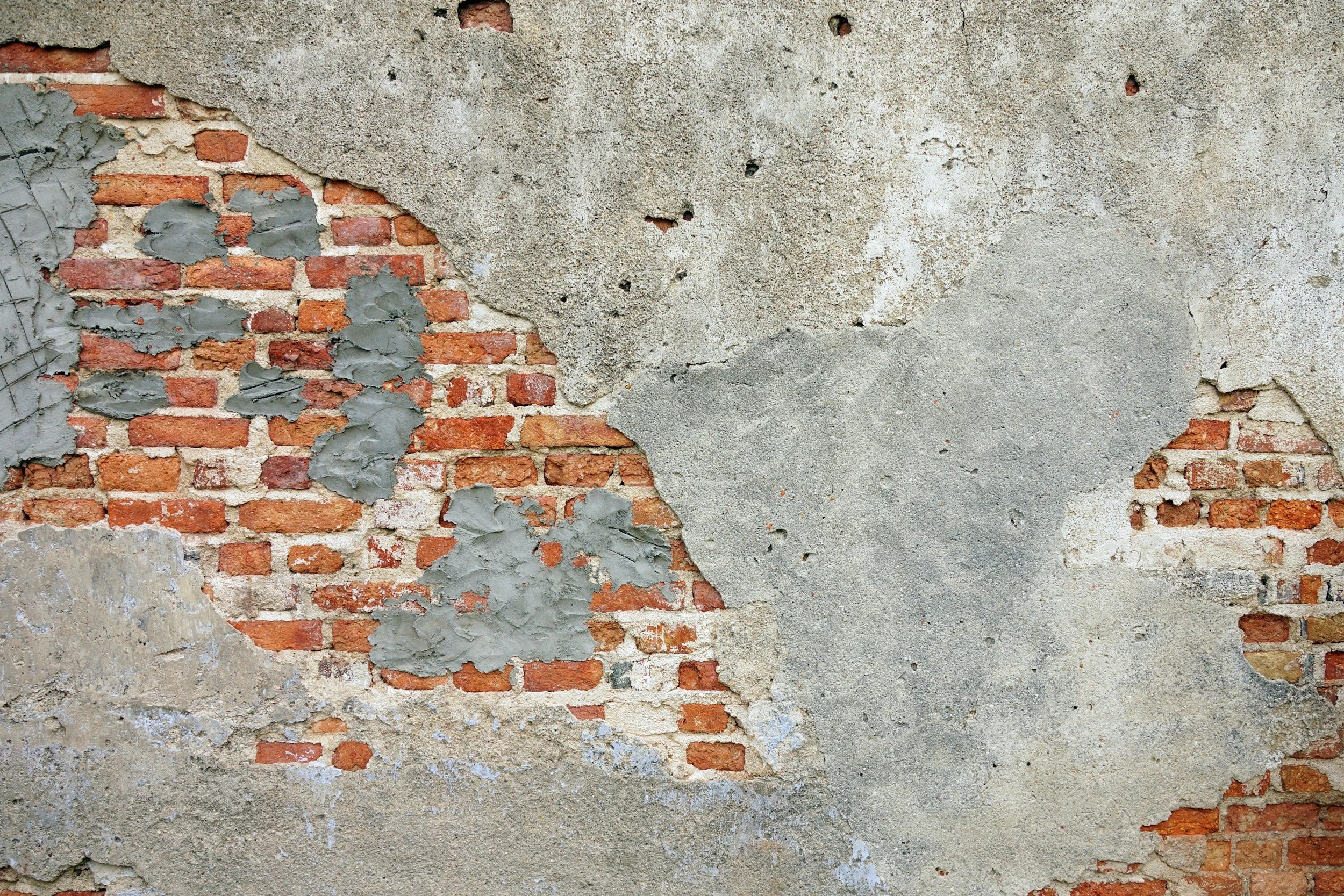
What rising damp actually is
Rising damp is groundwater drawn up through the masonry of a wall by capillary action. It happens when a wall has no damp-proof course (DPC), or the DPC has failed or been bridged. Gravity and evaporation limit how far the water can climb, so in most walls it rarely gets much above about 1 metre from the ground.
That height limit matters. Damp halfway up a wall, around a window, on a ceiling or in an upstairs room is not rising damp, whatever anyone tells you.
The genuine signs
A fairly even tide mark along the base of ground-floor walls, usually somewhere between 30cm and 1m high.
White, fluffy salts (efflorescence) on the plaster or brickwork. Groundwater carries salts with it, and they're left behind as the water evaporates.
Crumbling, blown or "bubbling" plaster and lifting paint along the lower part of the wall.
Damp all year round, not just in winter or after heavy rain.
Rotting skirting boards or the ends of floor timbers where they sit in the wall. Our guide to the signs of hidden timber decay explains what to look for.
One sign on its own doesn't prove much. It's the combination, in the right place, that points to rising damp.
The lookalikes
Most "rising damp" we're called to turns out to be one of these.
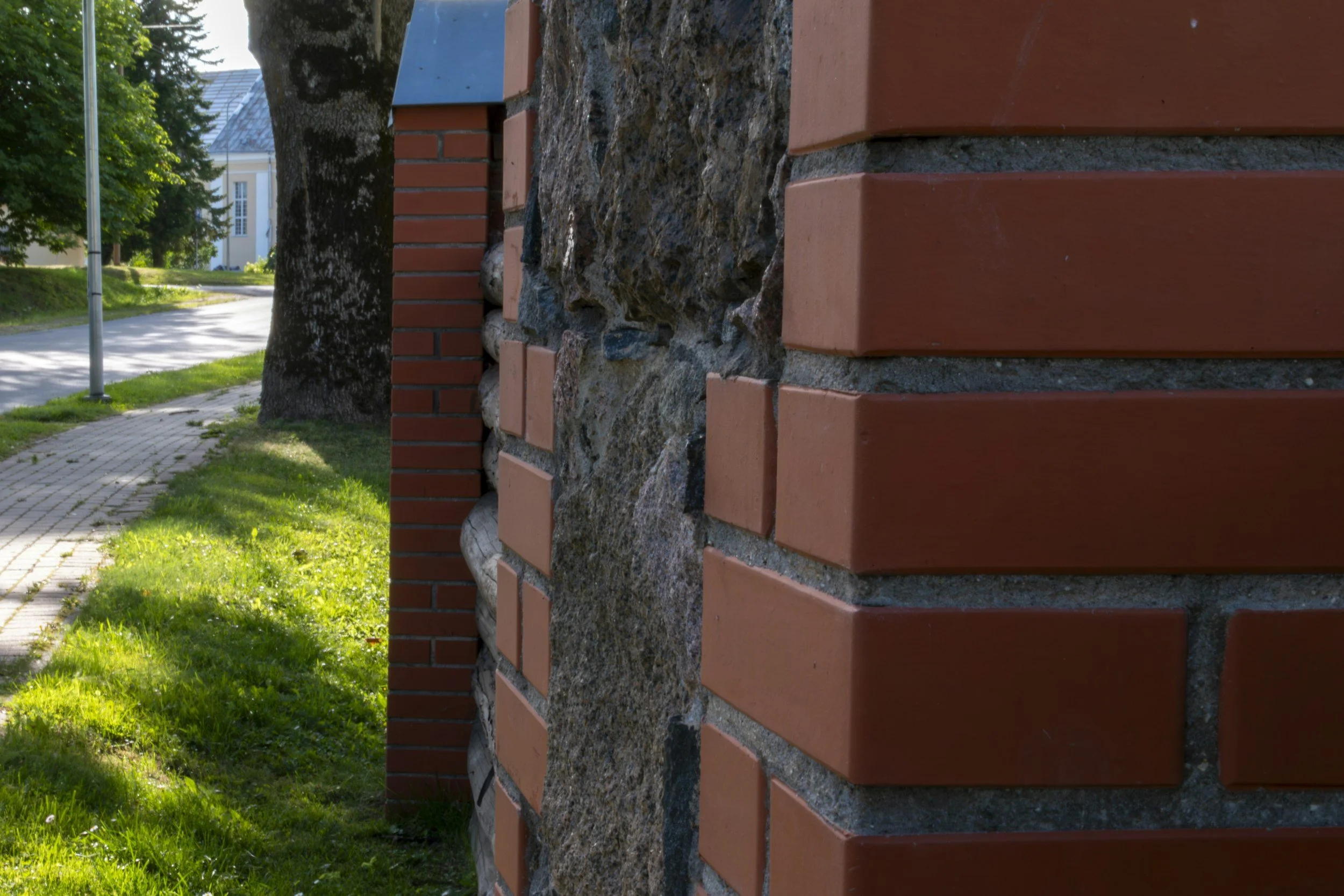
1. A bridged damp-proof course.
The DPC is fine, but something outside lets water get round it: a raised flowerbed, a patio laid too high, or render taken right down to the ground. The fix is usually lowering ground levels or cutting back render, not injecting the wall. See our guide to bridged damp-proof courses, ground levels and render.
2. Penetrating damp.
Rain getting in through cracked render, failed pointing, blocked gutters or leaking downpipes. It often shows low down where splashback hits the wall, and it gets worse after wet weather. Our penetrating damp vs rising damp guide covers the differences.
3. Condensation.
Moist indoor air settling on cold surfaces, especially behind furniture and in the corners of external walls. It's worst in winter and often comes with black mould. A damp-proof course does nothing for it.
4. Plumbing leaks.
A weeping pipe under a floor or inside a wall can produce a very convincing damp patch at skirting level. If the damp is patchy rather than an even band, or sits near a kitchen, bathroom or radiator, suspect a leak. Our guide to telling a leak from condensation or damp can help.
Why a moisture meter reading isn't proof
A lot of rising damp diagnoses rest on a pocket moisture meter showing red at the base of a wall. The trouble is that these meters are calibrated for timber, not masonry or plaster. Salts, foil-backed plasterboard and even some paints can send them off the scale on a perfectly dry wall.
A meter is useful for mapping where moisture is, but it can't tell you why it's there. A proper diagnosis looks at the pattern of readings alongside the building, the ground levels, the drainage and, where needed, samples taken from the wall. More on this in our guide to moisture meter readings.
Older Sussex and Kent homes need extra care
Many homes across our area, from Victorian terraces in Hastings and Eastbourne to older cottages in the Weald, were built with solid walls and lime mortar and plaster. These walls were designed to let moisture in and out.

Covering them in cement render, gypsum plaster or plastic paint traps moisture and can create the very damp problems that get blamed on rising damp. In these homes the right answer is often to restore breathability and fix the outside first, rather than injecting a chemical DPC.
If it is rising damp, what's involved
When rising damp is genuinely the cause, treatment usually follows four steps:
Fix any bridging or drainage problems first, so you're not treating a wall that's being wetted another way.
Install a new DPC where one is missing or has failed, often by injection. Our guide asks whether damp-proof course injection is right for your home.
Remove salt-contaminated plaster and replaster with a suitable, salt-resistant or breathable system.
Let the wall dry out properly. Thick walls can take months. See our guide to drying walls after damp treatment.
When to get a survey
Get an independent damp survey before you agree to any damp-proofing work, especially if you've been quoted for a chemical DPC, you're buying a property, or a mortgage lender has asked for a report. Our guide to damp and timber reports for mortgage lenders explains what lenders usually want.
A good survey should tell you what the cause is, the evidence for it, and the simplest fix. Often that's far cheaper than the first quote. If you want to know what to budget, see How Much Does a Damp Survey Cost in Sussex & Kent?
Think you've got rising damp? Call us on 01424 863146 or email admin@renovani.co.uk to book a survey.
