

You walk in the front door and there it is: that stale, earthy, slightly "old cupboard" smell. But when you look around, the walls look fine, there's no black mould on the ceiling, and nothing feels wet. So where is it coming from?
A musty smell is often the first sign of moisture somewhere you can't see. It's caused by mould and bacteria growing on damp materials and giving off gases as they feed. That means the smell is worth taking seriously, even when there's nothing obvious to point at. The good news is that the cause is usually findable, and often fixable, before it turns into real damage.
The most common hidden causes
1. Under the floor
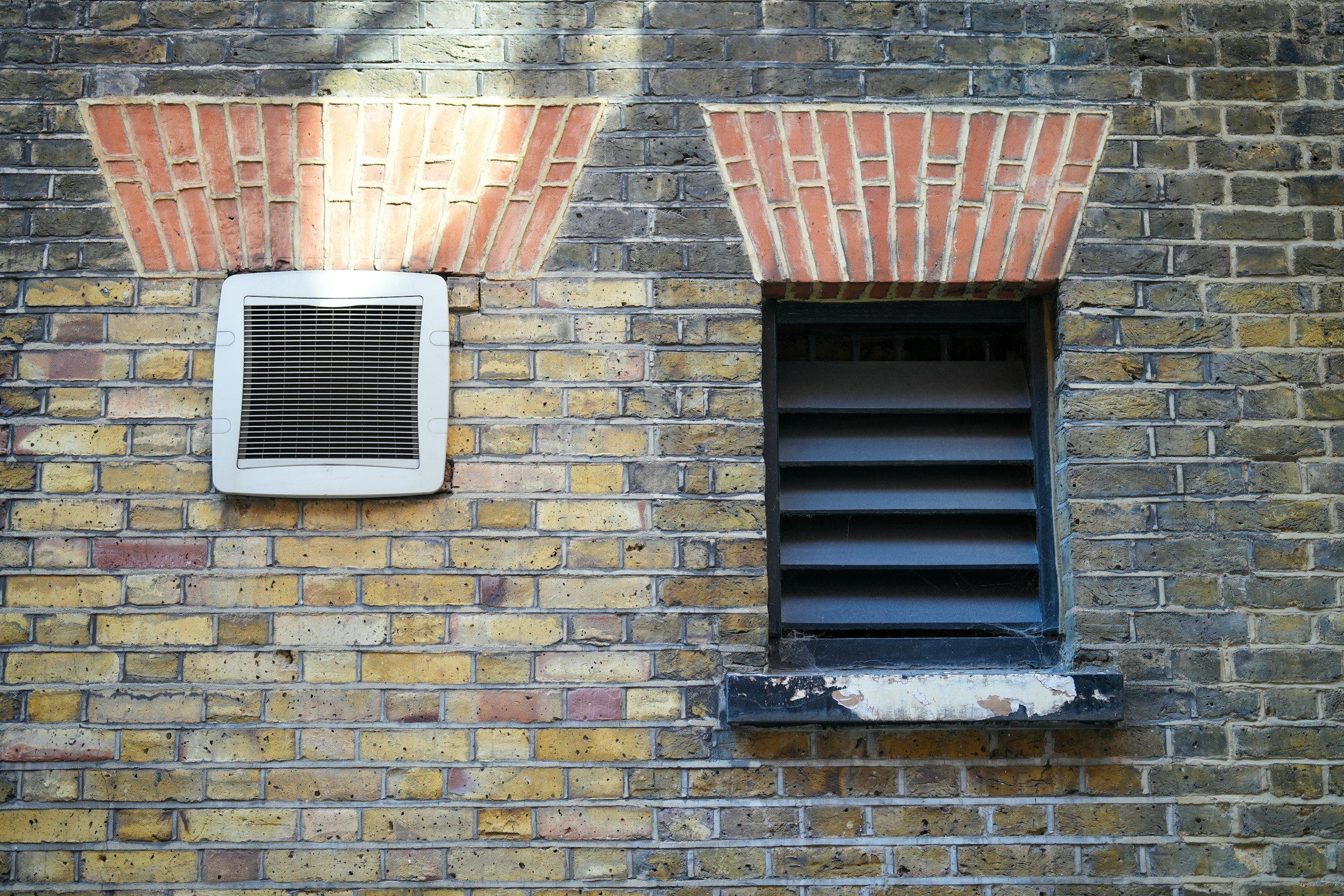
In older Sussex and Kent homes with suspended timber floors, the void underneath needs a steady flow of air through the airbricks. When airbricks are blocked by raised patios, flowerbeds or old render, the void gets damp and still. Joists and floorboards can start to decay quietly, and the smell comes up through gaps in the boards, especially once the heating is on. See our guide to the signs of hidden timber decay.
2. Behind furniture and inside wardrobes
Wardrobes and sofas pushed against cold external walls stop air moving. Condensation settles on the wall behind them, and mould grows where nobody looks. If the smell is strongest in one bedroom, pull the furniture out and check the wall and the back panel.
3. Slow plumbing leaks
A weeping waste pipe under the bath, a dripping joint behind the kitchen units, or a leaking shower tray can soak timber and plaster for months before anything shows. If the smell is near a bathroom or kitchen, that's the first place we'd look. Our article on telling a leak from condensation or damp goes into more detail.
4. Cellars, basements and under-stairs cupboards
Below-ground rooms are almost always damp to some degree. If the cellar door is often left open, the smell can travel through the whole house. Read more on damp cellar and basement options.
5. Bridged damp-proof course
When outside ground levels, paths or render sit above the damp-proof course, moisture can get into the base of the wall and the timbers next to it, such as skirting boards and joist ends, without an obvious tide mark at first. See bridged damp-proof courses.
6. Condensation in a sealed-up home
New windows, blocked trickle vents and drying washing indoors all trap moisture. You might not see streaming windows every day, but soft furnishings, carpets and the corners of cupboards can stay just damp enough to smell. Our tips on reducing condensation are a good start.

Simple checks you can do yourself
- Follow your nose. Go room by room after the house has been shut up for a while, such as first thing in the morning. Note where the smell is strongest.
- Check the airbricks outside. Are any blocked, buried or covered?
- Look in the hidden spots: behind wardrobes, under sinks, around the bath panel, in the under-stairs cupboard and in the loft hatch area.
- Lift a corner of carpet in the worst room if you can. Look for staining, a damp underlay, or soft boards.
- Press skirting boards gently. Timber that feels soft or crumbly is a warning sign.
- Watch your humidity. A cheap hygrometer can tell you whether the air in the house is regularly too humid.
Be careful with cheap pin moisture meters on walls. They often give misleading readings on plaster and masonry. We explain why in our guide to moisture meter readings.
When to get a survey
It's worth getting a professional damp and timber survey if:
- the smell stays around after you've improved ventilation and cleaned
- it's coming from the floor, a cellar or one particular wall
- you've found soft timber, staining or crumbling plaster
- you're buying the property, or your mortgage lender has asked for a report
A proper survey doesn't just say "it's damp". It should find the source, check the timbers, separate condensation from penetrating or rising damp, and give you a clear, proportionate plan. Sometimes that's as simple as clearing airbricks and fixing a leak. Our article on what a damp survey should tell you explains what to expect. If you're wondering about price, see damp survey cost in Sussex and Kent.
Don't just mask it
Air fresheners and a quick wipe with mould spray will hide the smell for a few days, but the moisture causing it will still be there. Damp timber left alone can turn into wet rot, or in the worst cases dry rot. The earlier the cause is found, the cheaper and simpler the fix usually is.
Noticed a musty smell you can't track down? Renovani carries out damp, mould and timber surveys across Sussex and Kent. We'll find where the moisture is coming from and tell you honestly what needs doing, and what doesn't. Book a survey or get in touch for advice.
