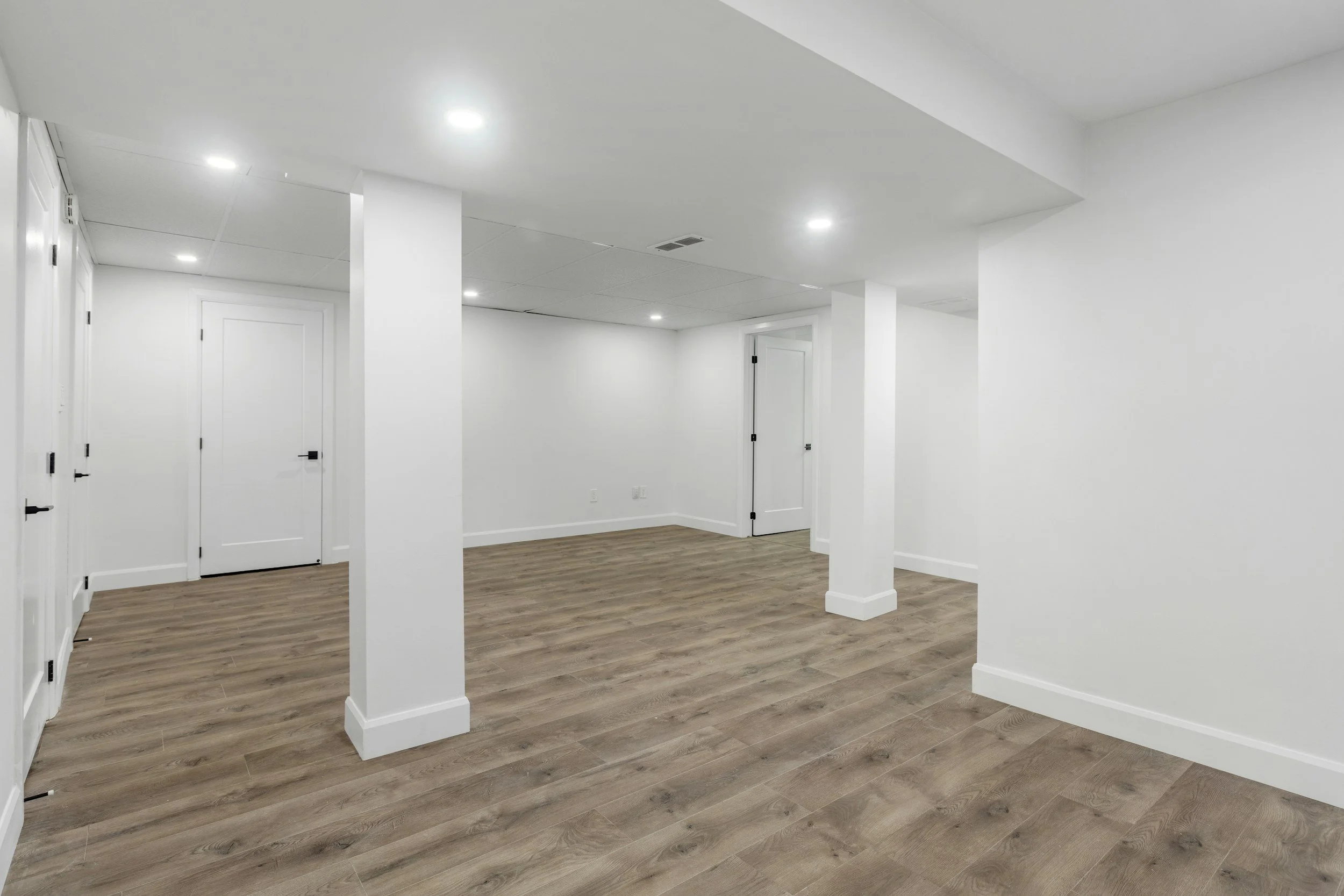
A lot of older homes across Sussex and Kent have cellars. You'll find them under Victorian terraces in Hastings and St Leonards, under Regency townhouses in Brighton, and under period villas around Tunbridge Wells. Most were built for storing coal, not for living in, so it's normal for them to be damp. The good news is that a damp cellar can usually be made dry, and often usable as storage, a utility room, a gym or even a habitable room. It just has to be done the right way.
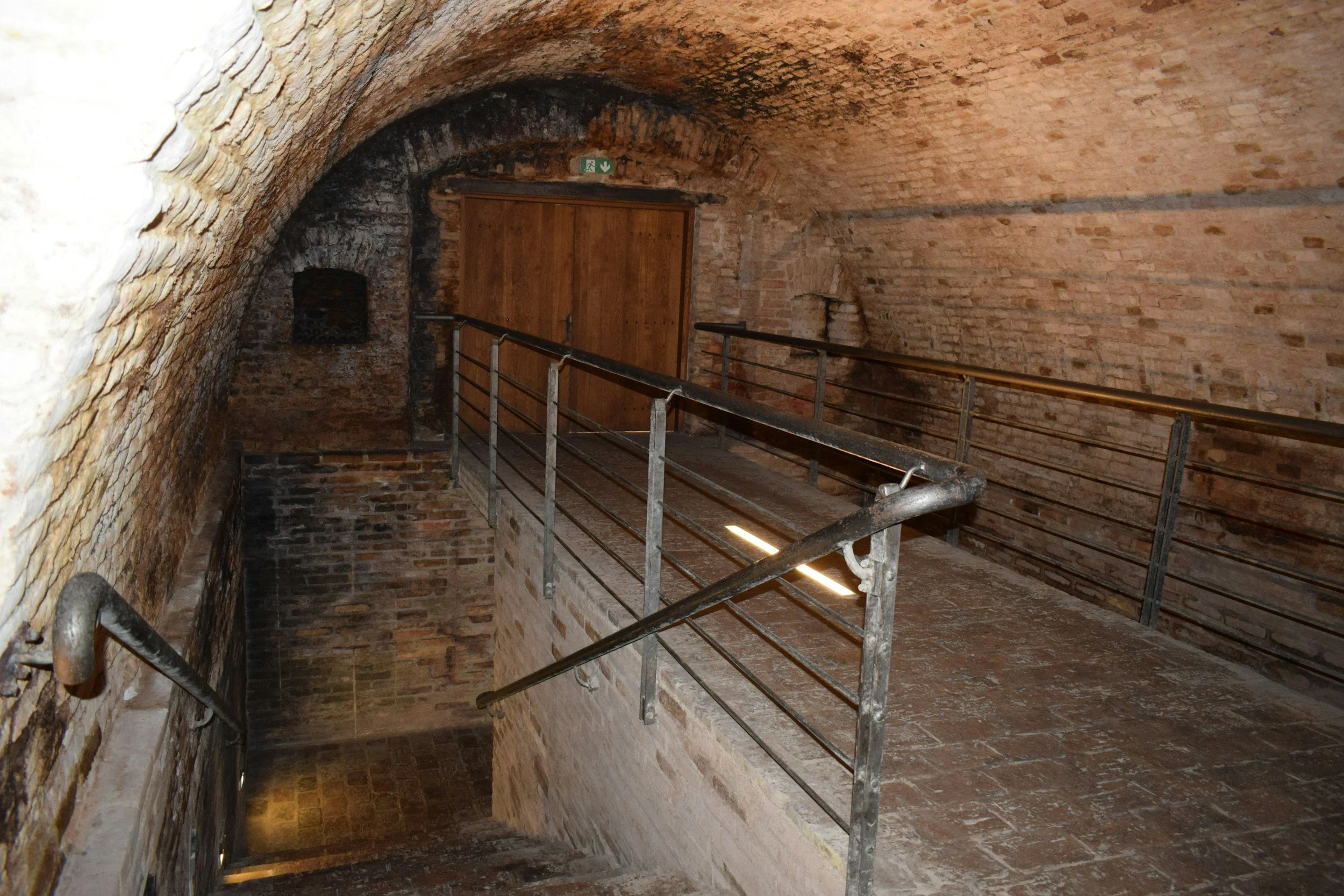
Why cellars get damp
A cellar sits partly or fully below ground, so its walls and floor are in contact with wet soil all year round. Moisture gets in in a few ways:
Ground water pressure. After heavy rain, or where the water table is high, water pushes through the brickwork, through mortar joints, and up through the floor.
Lateral damp. Even without standing water, damp soil against the walls keeps the masonry wet. You'll see this as salts, flaking paint and crumbling plaster.
Leaks from above. Leaking downpipes, blocked gullies, defective drains or a raised patio outside can send water straight towards the cellar walls.
Condensation. Cellars are cool. When warmer, moist air from the house or from drying washing reaches those cold walls, it condenses, and you get mould and a musty smell even when the walls themselves are fairly sound.
Most damp cellars have more than one of these going on, which is why guessing usually leads to the wrong fix.
Signs your cellar damp needs attention
Puddles or a wet floor after rain
White, fluffy salt deposits on the brickwork
Paint or render that bubbles, flakes or falls off
A persistent musty smell that spreads into the house
Mould on walls, stored boxes or timber
Rotting timber, such as floor joists bearing on the cellar walls, or shelving and doors
That last point matters. The ground-floor joists above a damp cellar often sit in or on damp masonry, which is how wet rot and dry rot get started. If your cellar is damp, it's worth having the timber above it checked too. Our guide to hidden timber decay explains what to look for.
Your options, from simplest to full conversion
1. Fix the outside first. Before spending money inside, check the gutters, downpipes, gullies and drains, and look at whether outside ground levels have been raised against the wall. Sometimes this alone makes a big difference. Our article on bridged damp-proof courses and ground levels covers this in more detail.
2. Improve ventilation. If the cellar is only used for storage and the damp is mostly condensation, better airflow plus a dehumidifier can be enough. See dehumidifier vs extractor fan for which suits which situation.
3. Tanking (barrier systems). Tanking means applying a waterproof coating or render to the walls and floor to hold water back. It can work well, but it relies on a perfect bond to sound masonry and must resist the full water pressure behind it. Any crack or weak spot can let water through.
4. Cavity drain membrane systems. A dimpled plastic membrane is fixed to the walls and floor, leaving a small air gap. Water that gets through the masonry runs down behind the membrane into a drainage channel, then to a sump and pump or a suitable drain. The system manages water rather than fighting it, which is why it's often the preferred choice for cellars being turned into living space. We compare the two approaches in damp proofing vs tanking and our review of damp-proof membranes.
The British Standard for below-ground waterproofing, BS 8102, describes these as different types of protection and recommends that the system is chosen to suit the intended use of the space and how wet the ground is. A cellar for bikes and paint tins doesn't need the same specification as a bedroom or home office.

Why a survey comes before any quote
Cellar waterproofing is not a one-size-fits-all job. The right system depends on:
where the water is actually coming from
how the space will be used
whether there's somewhere for drained water to go, such as a sump, a pump or a drain
the condition of the brickwork, floor and timber above
any services such as gas meters, electrics or drains that need to stay accessible
A proper survey looks at all of that, takes moisture readings in the right places, and gives you a clear written recommendation, not just a price for whatever product a company happens to sell. Our guide to what a damp survey should tell you explains what you should expect to receive.
Thinking about converting your cellar?
If you'd like to turn a damp cellar into usable space, the waterproofing is the foundation of the whole project. It needs to be right before anyone plasters, insulates or lays a floor. Getting it wrong means ripping out finished work later.
Renovani surveys and waterproofs cellars and basements across Sussex and Kent, including Hastings, St Leonards, Bexhill, Eastbourne, Brighton and Tunbridge Wells. If your cellar is damp, smells musty or you're planning a conversion, book a survey and we'll tell you honestly what's causing it and what it will take to fix. You can also read more about our basement and cellar waterproofing service.