
In most cases, no: damp found on a house you're buying is usually fixable, and it is often a reason to renegotiate rather than walk away. Most damp comes from things like condensation, a leaking gutter, high ground levels or blocked air bricks, which are cheap to put right. You should be more cautious when there is wet or dry rot in floor or roof timbers, damp in several walls with no obvious cause, or signs that someone has recently covered damp up. The way to know which you're dealing with is to get a proper damp and timber survey before you exchange.
We carry out pre-purchase damp and timber surveys for buyers across Eastbourne, Hastings, St Leonards, Bexhill, Hailsham, Polegate, Seaford, Lewes, Brighton, Battle, Rye and Tunbridge Wells. Here's how to think it through.
Why does the homebuyer survey say "damp" so often?
General surveyors take moisture meter readings at the base of walls, and those meters react to more than water. Salts, foil-backed plaster and some paints can all give high readings on a wall that isn't actually wet. Because a general surveyor can't open things up, they will usually flag "damp, refer to a specialist" to protect themselves. That doesn't mean the house has rising damp; it means nobody has found the cause yet. Our guide to moisture meter readings explains why a number on its own proves very little.
When is damp nothing to worry about?
These are common and usually straightforward to fix:
Condensation and black mould on cold walls, window reveals and behind furniture, caused by poor ventilation or the way the house is lived in
A damp patch below a leaking gutter or downpipe
Damp at the base of a wall where a path, patio or flower bed has been built up above the damp proof course
Blocked or missing air bricks
An old stain from a leak that has already been repaired and has dried out
If one of these explains what the surveyor found, it is usually a small job, and it's worth knowing the cause so you can plan for it. See penetrating damp vs rising damp and bridged damp proof courses for how these happen.
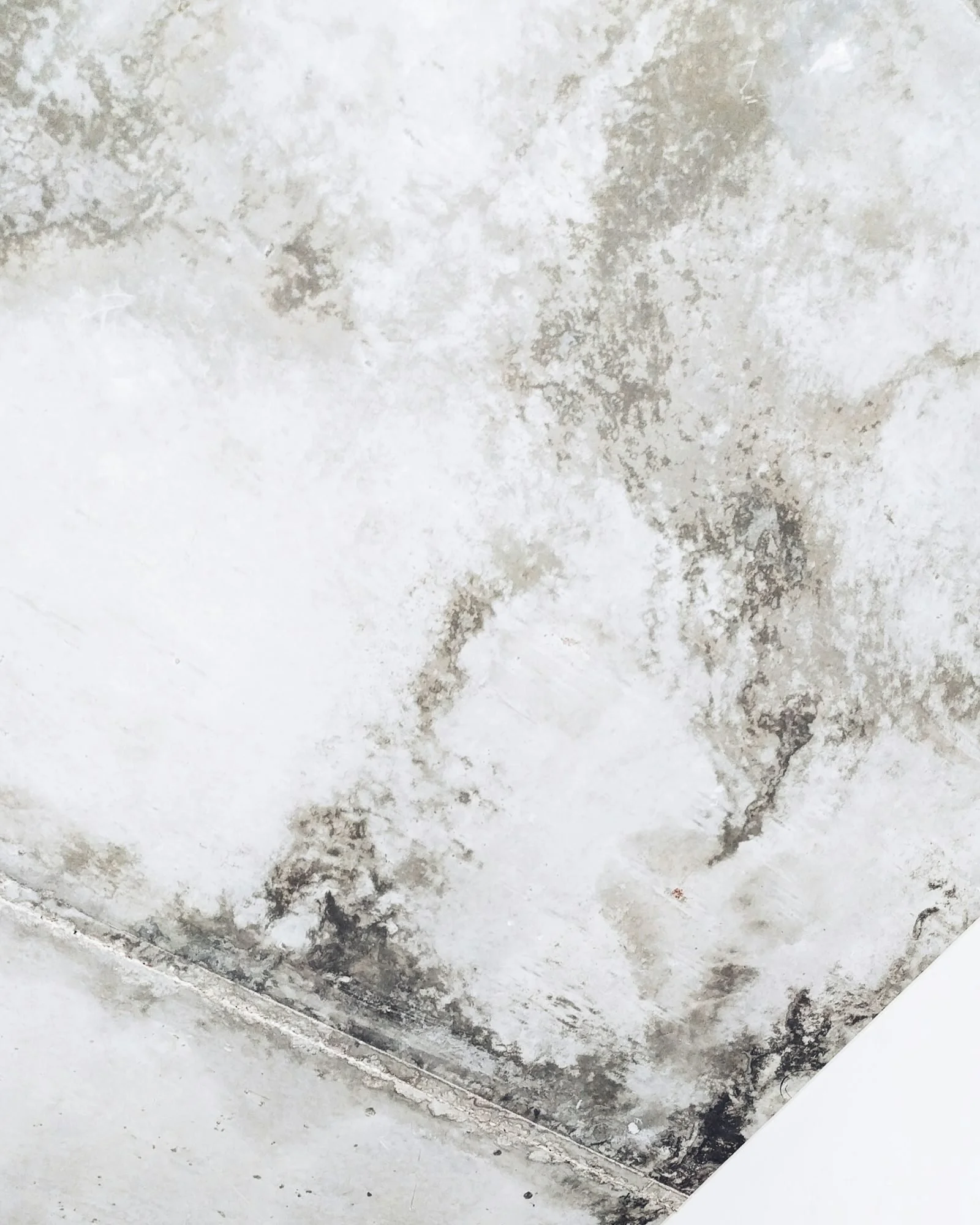
When should damp make you think twice?
Be more careful, and get a specialist in before you commit, if you see or are told about:
Wet rot or dry rot in floor joists, skirting boards or roof timbers. Rot is where the cost can grow, because the damage is often hidden. Our article on dry rot warning signs shows what to look for.
A bouncy, soft or uneven floor, which can mean decayed joists underneath. See bouncy or soft floors.
Damp in several rooms or walls with no clear cause
Fresh plaster, new skirting or new paint in just one area, especially low down on walls, which can mean a problem has been covered up before the sale
A strong musty smell in a house that looks dry, which can point to damp timber under the floor
Cellar or basement damp if you plan to use that space as a room
None of these automatically means walk away. They mean you need to know what you're buying and what it will take to fix before you agree a price.

What should I ask the seller about damp?
Ask your solicitor to put these questions to the seller in writing:
Has there been any damp, rot or woodworm treatment, and when?
Is there a guarantee for it, who issued it, and does it transfer to a new owner?
Have there been any leaks, floods or roof repairs?
Has any area been replastered recently, and why?
A damp proofing or timber treatment guarantee is only worth something if the company is still trading or the guarantee is insurance-backed, and the paperwork matches the work that was done.
Should I get a specialist damp survey before buying?
Yes, if the homebuyer report mentions damp, rot or woodworm, or if your lender has asked for a damp and timber report. A specialist survey looks for the cause, not just a high reading. When we survey a property for a buyer, we check:
Moisture readings across affected walls and floors, with the cause identified for each area
Ground levels, damp proof course, air bricks, gutters, downpipes and render
Floor timbers, skirting boards and, where we can get to them, roof timbers for rot and woodworm
Ventilation and condensation risk
What work is needed, what isn't, and what can wait
You get a clear written report you can hand to your solicitor, lender or the seller. If your lender has asked for a report, our guide to mortgage damp and timber reports covers what they usually want. And our article on what a damp survey should tell you explains what a good report includes.
Can I use damp to negotiate the price?
Often, yes. A written report that sets out the cause and the work needed gives you something solid to take back to the seller. Common outcomes are a price reduction, the seller doing the work before completion, or money held back until it's done. Vague worries rarely move a seller; a clear report from a specialist usually does.
Book a pre-purchase damp and timber survey
Renovani surveys cover damp, mould, ventilation and rotten timber, and cost £50 + VAT across Sussex and Kent. We'll tell you plainly whether the damp is a small job or something to price in, and we won't recommend work a house doesn't need. Call 01424 863146 or book a survey.
Frequently asked questions
Should I pull out of buying a house with damp?
Usually not. Most damp has a simple cause such as condensation, a leaking gutter or high ground levels. Get a specialist damp and timber survey first, then decide whether to go ahead, renegotiate or walk away.
Will a mortgage lender lend on a house with damp?
Many will, but they may ask for a damp and timber report from a specialist, and sometimes hold back part of the loan until the work is done.
Is rising damp common in houses for sale?
True rising damp is less common than general surveys suggest. High meter readings at the base of a wall are often caused by bridged damp proof courses, salts, leaks or condensation instead.
Does a damp proofing guarantee pass to the new owner?
Often, but not always. Check the guarantee wording, whether the company is still trading, and whether the guarantee is insurance-backed.
How much is a damp survey before buying a house?
Renovani damp and timber surveys cost £50 + VAT across Sussex and Kent, including Eastbourne, Hastings, Bexhill, Hailsham, Polegate, Brighton and Tunbridge Wells.
Hello, World!
